
One of the most common things wedding photographers say is that they want to capture real emotion.
The honest tears, the laughter that isn’t planned, the moments that feel lived-in instead of performed. But emotion is delicate, and the second you try to force it, it often disappears.
Photographing emotion isn’t about asking someone to cry or telling a couple to “be candid.”
It’s about awareness, timing, and restraint. It’s about knowing how to stay close enough to witness something real without becoming part of the moment itself.
Over time, I’ve learned that the photographers who capture emotion most consistently aren’t the ones forcing moments to happen.
They’re the ones paying attention. They anticipate. They stay present. They allow space. And because of that, their galleries feel honest.
Here are a few things that have helped me photograph emotion in a way that feels natural, not staged.
Anticipation Beats Reaction
Some of the strongest emotional photographs happen before the moment peaks.
Emotion builds slowly, and the lead-up is often just as powerful as the moment itself. Instead of always chasing the reaction, train yourself to watch for what’s about to happen.
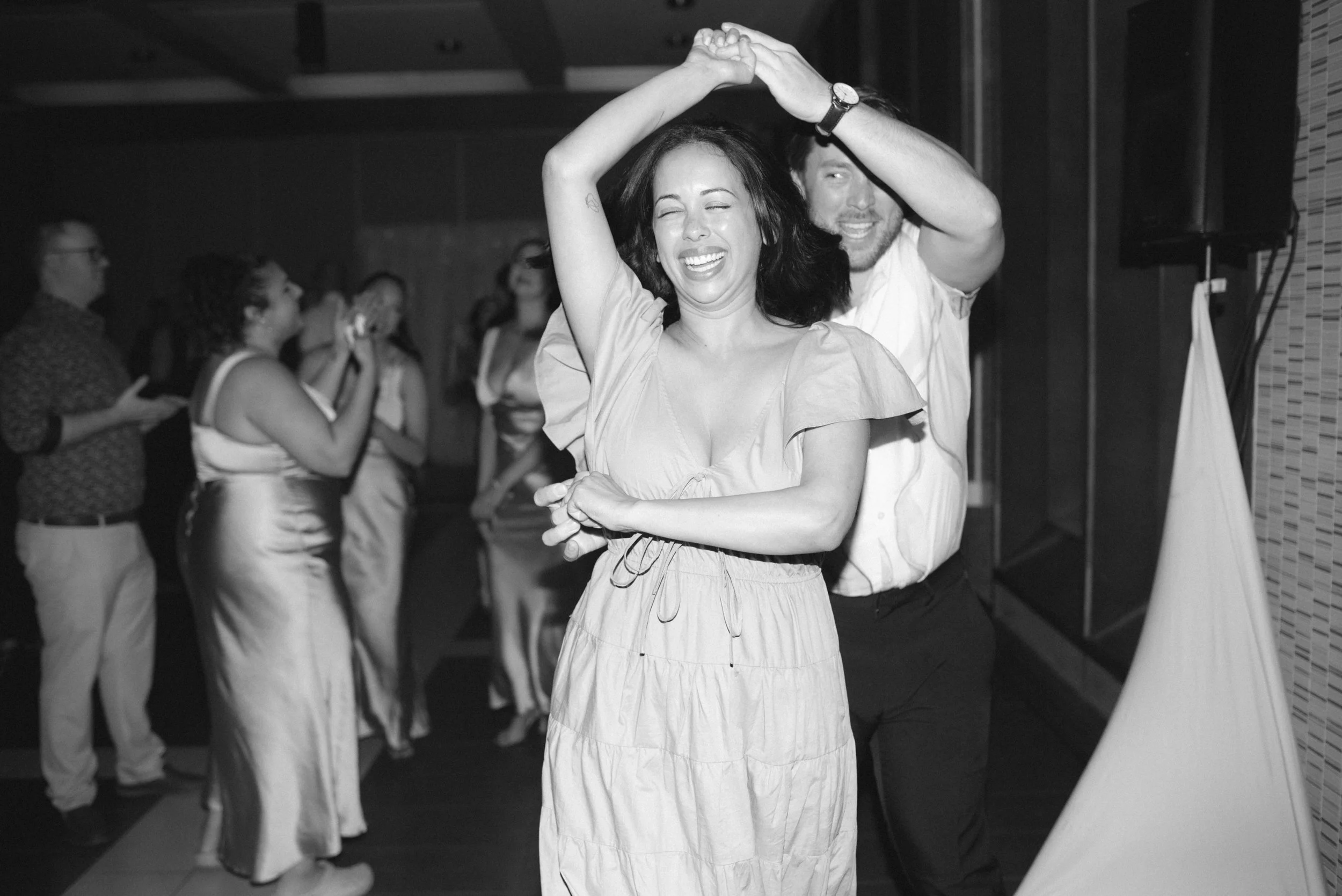
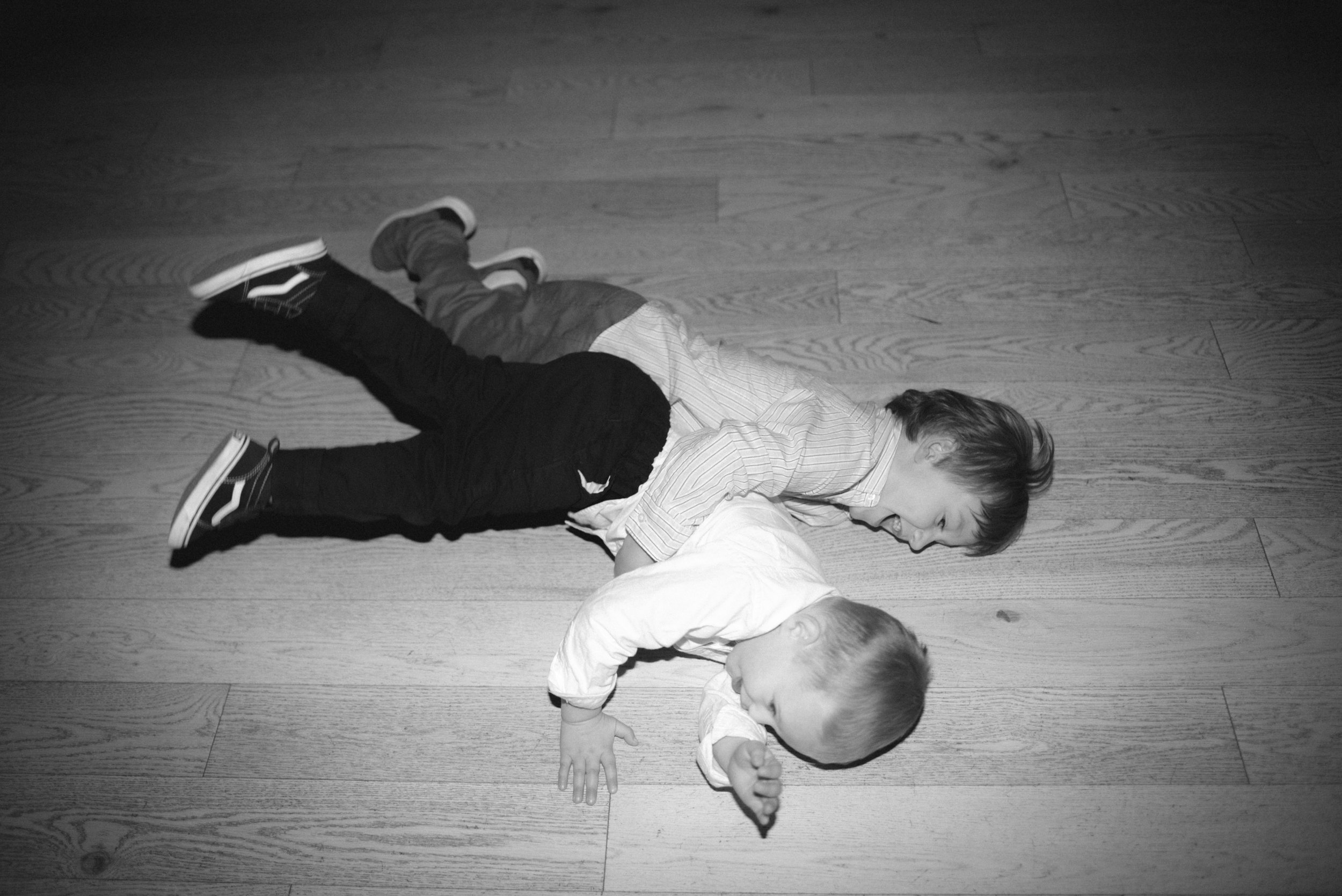
The breath someone takes before walking down the aisle. The pause before a first look. The way a father’s hands tighten before he sees his daughter in her dress. The tears and laughter during toasts. The chaos of a dance floor. And all of the small moments in-between.
When you learn to recognize these small cues, you begin photographing emotion as it unfolds rather than trying to catch it after it’s already passed.
Stay a Beat Longer
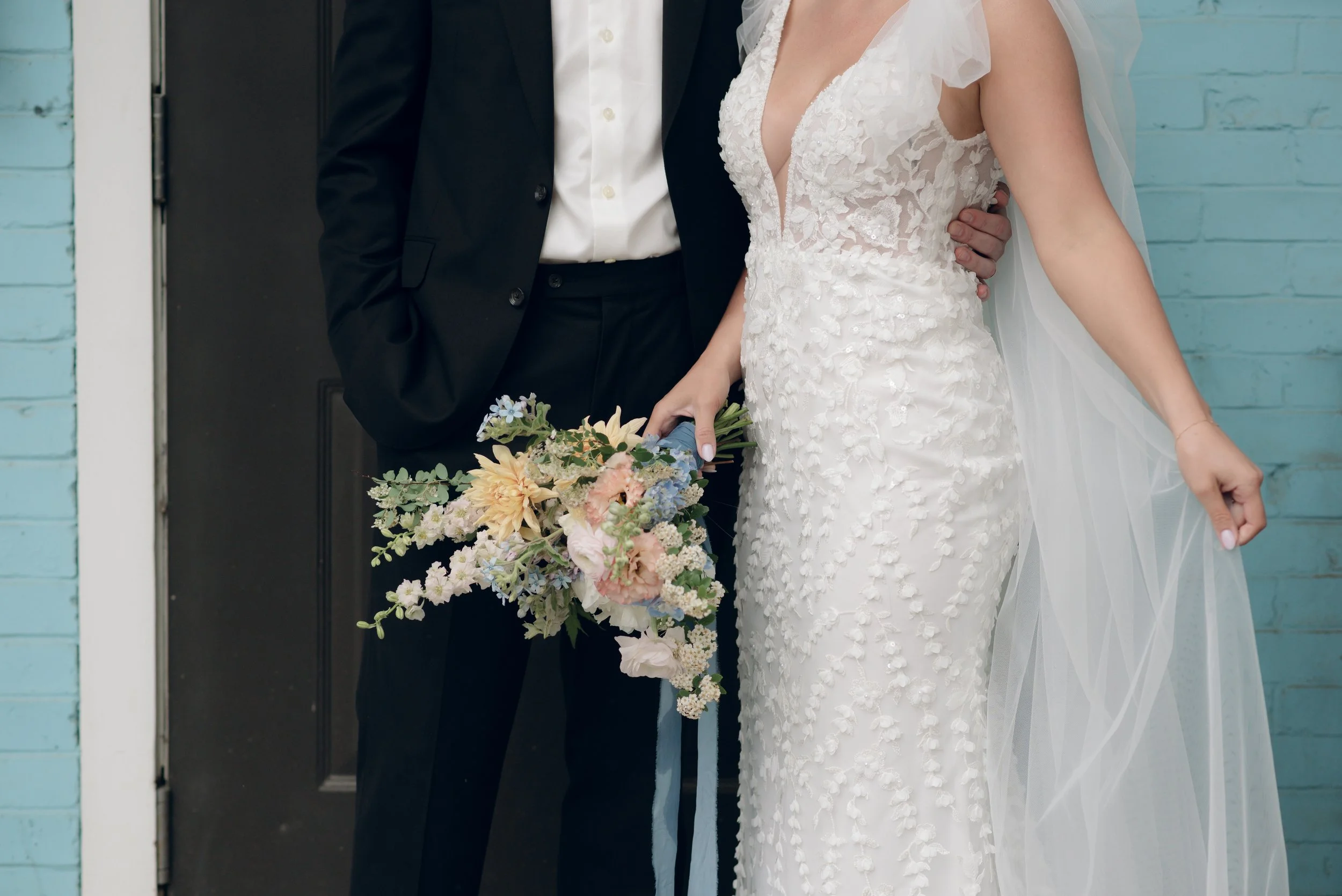
One of the simplest habits that will instantly deepen your galleries is staying one beat longer than you think you need to.
Photographers often capture the “main moment” and then move on quickly, but emotion doesn’t always end where the obvious moment ends.
The kiss happens, and then there’s the laugh right after. The hug ends, and then there’s the lingering hand squeeze.
Some of the most meaningful frames happen in the seconds after, when people soften back into themselves. Let moments finish. Let them breathe. That’s often where the most honest emotion lives.
Let People Forget About You
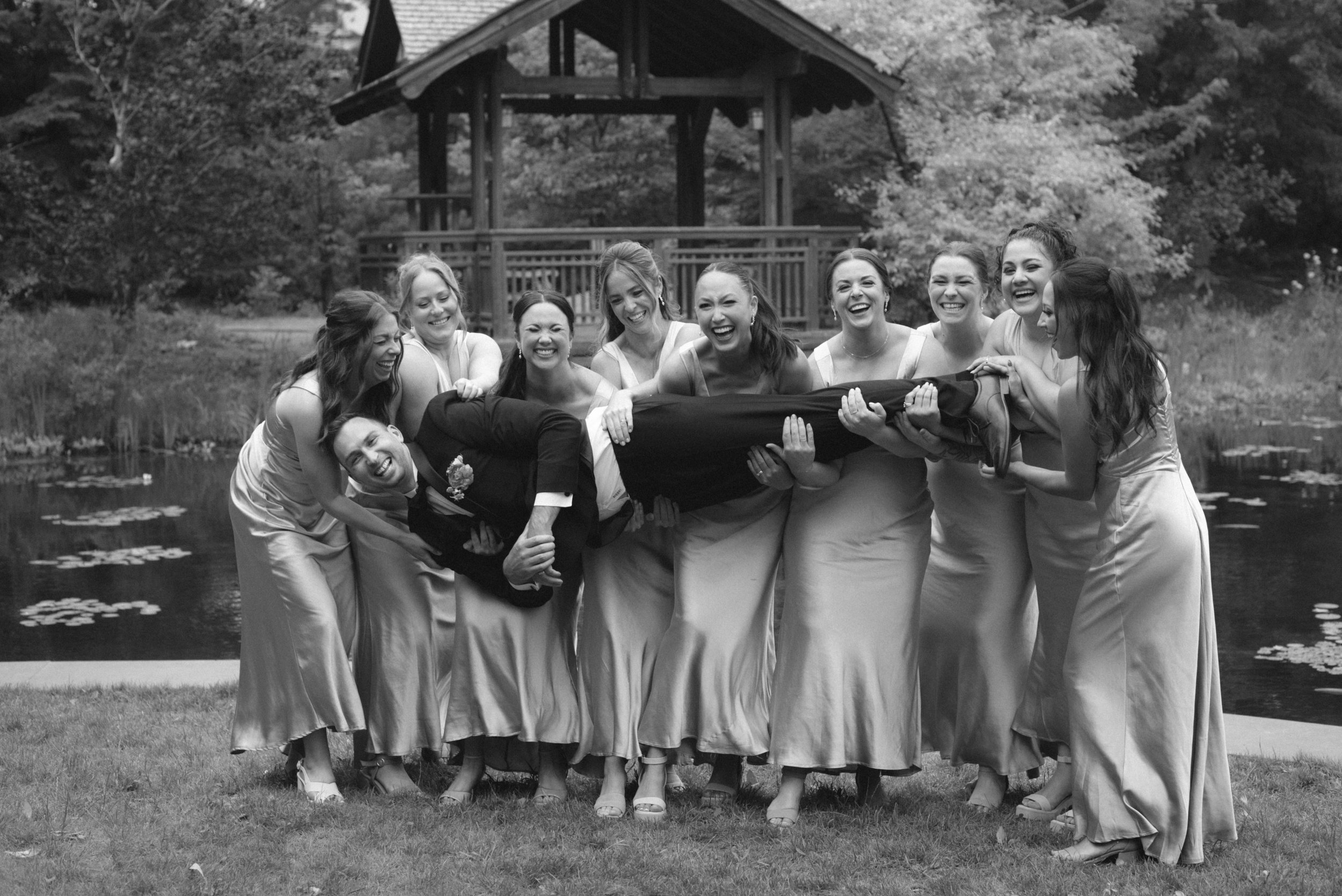
The best emotional images come when people are fully inside their experience, not aware of being photographed.
This is where your presence on a wedding day matters more than your prompts. Move calmly and quietly. Avoid over-directing or filling every silence with instructions.
The less you insert yourself into emotional moments, the more space you give them to unfold naturally. Sometimes the most powerful thing you can do is simply be still and observant, allowing people to forget the camera is there.
When couples feel safe and not pressured, emotion rises to the surface without effort.
Choose Position Over Posing
If you want more emotion in your work, you don’t need more poses. You need better positioning.
Emotion is already happening throughout the day, and your job is to place yourself in the best possible spot to witness it without interrupting it.
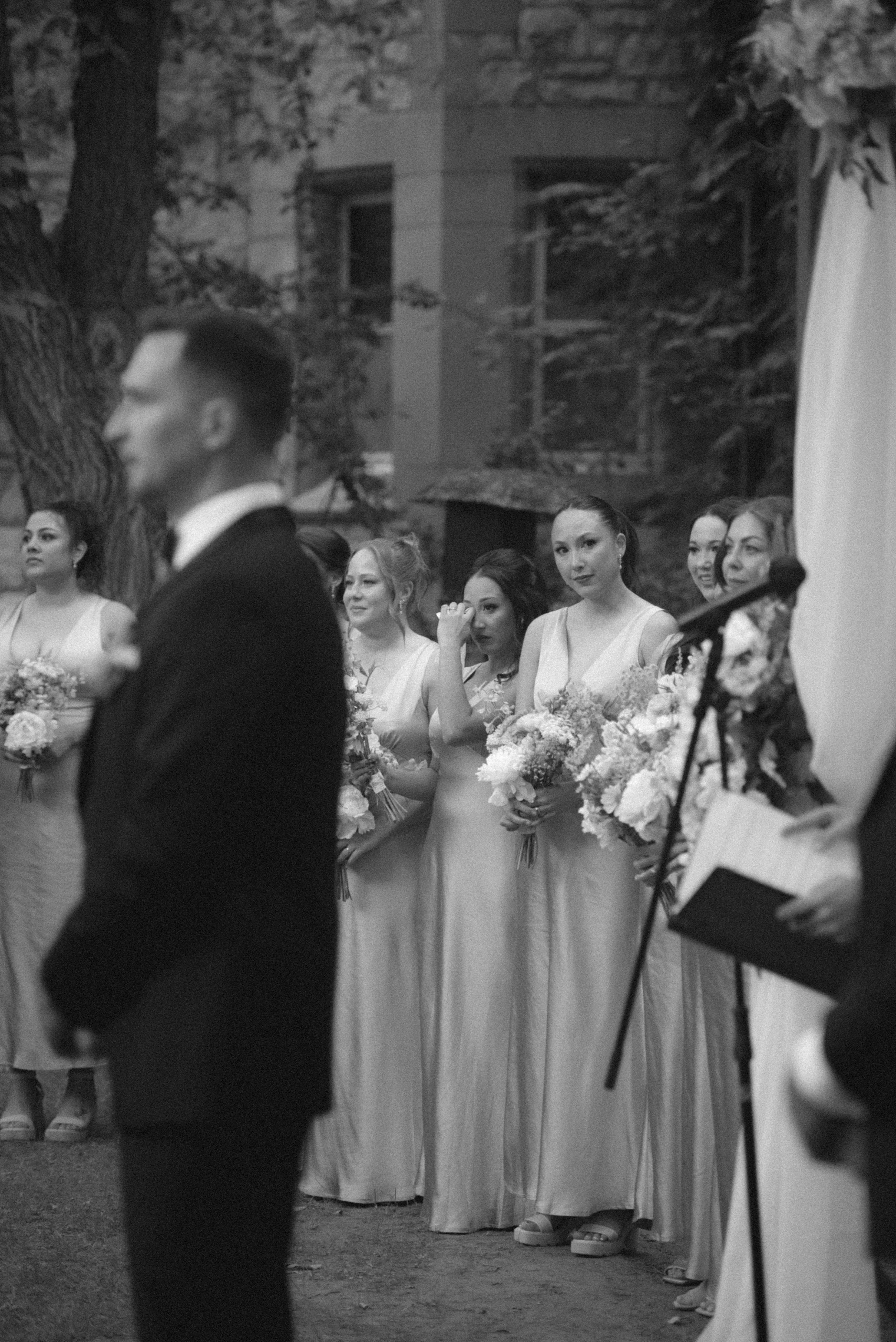
During a ceremony, for example, positioning yourself where you can see both faces allows you to capture not only the vows but the reactions.
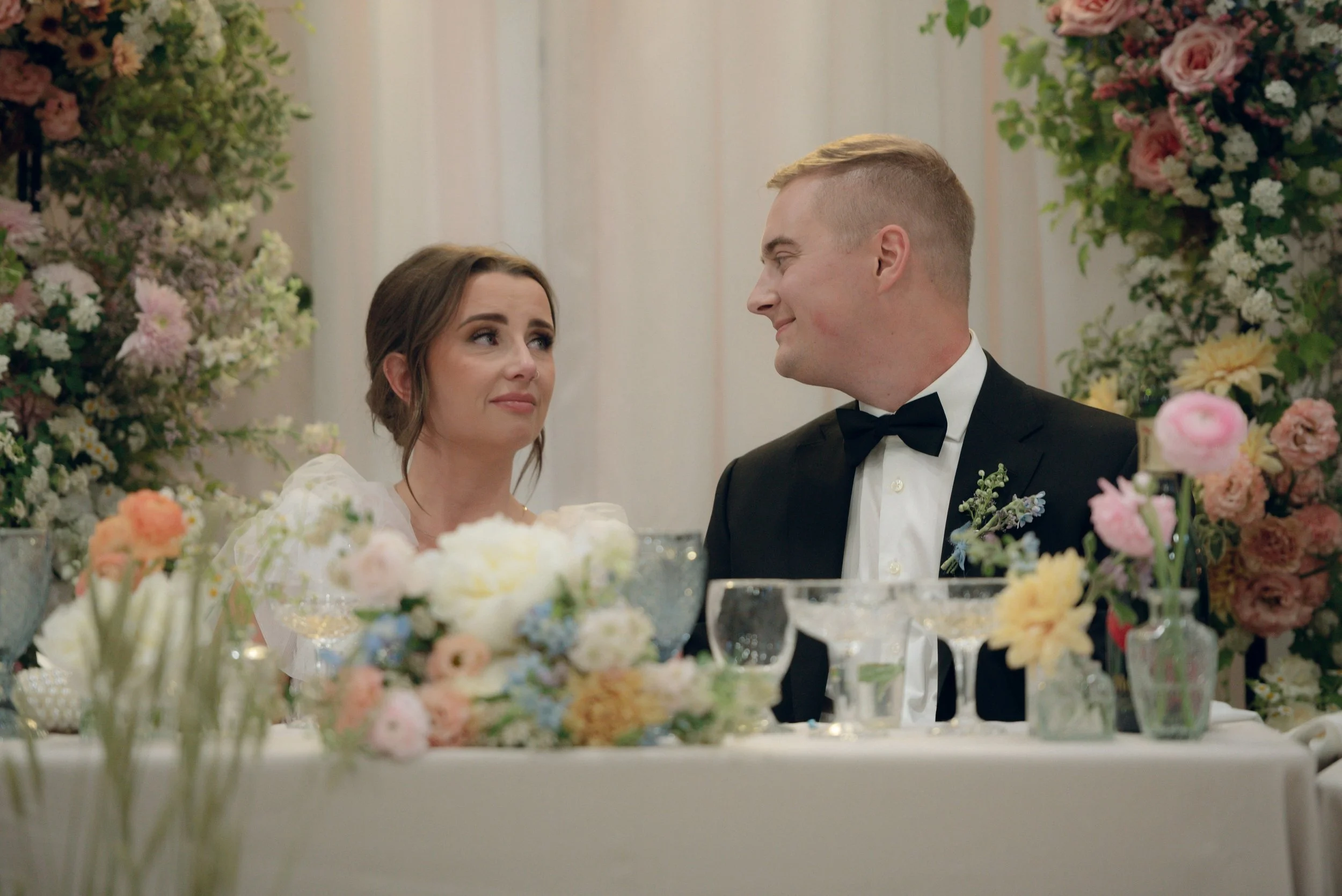
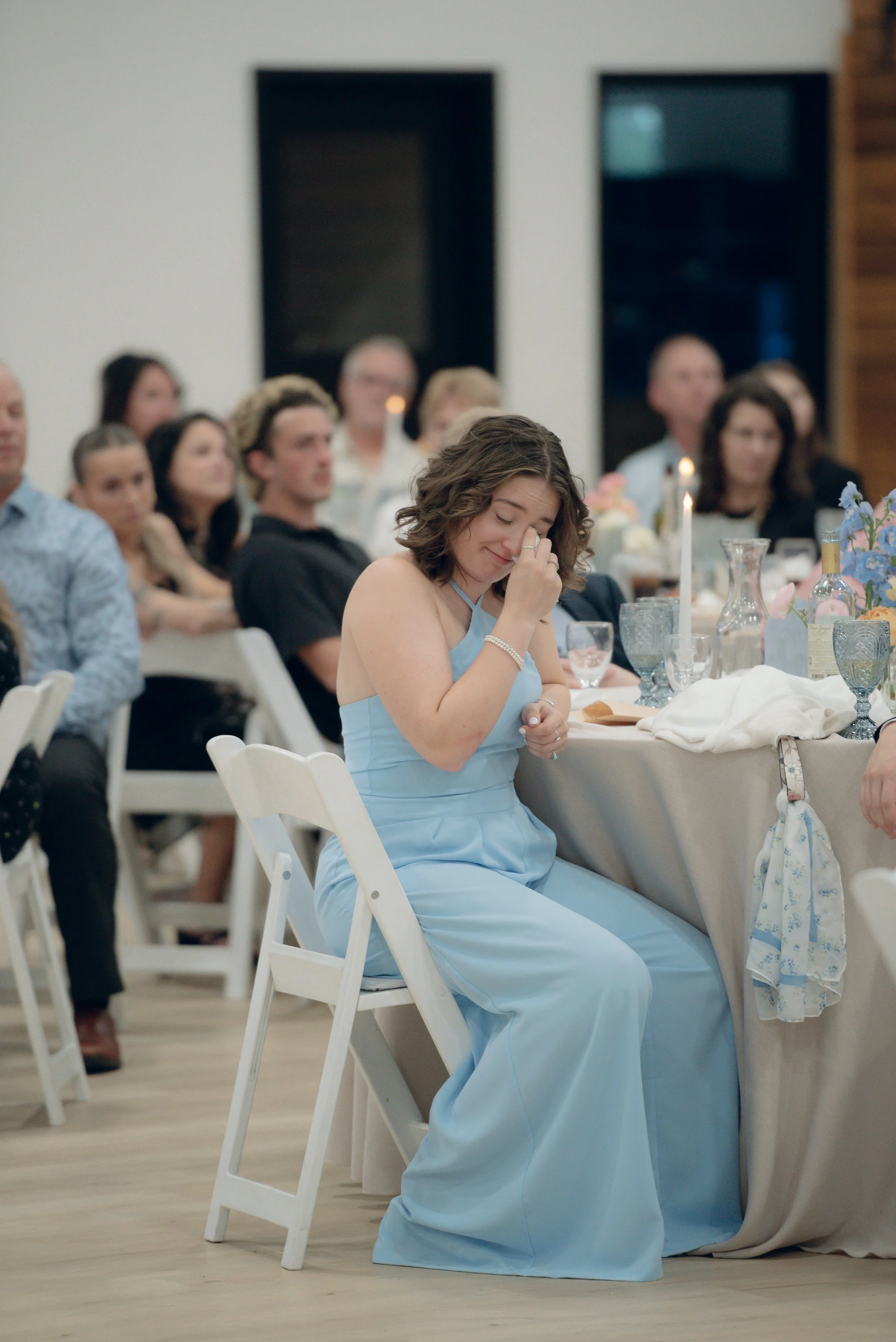
During speeches, watching the couple’s expressions often tells more of the story than photographing the person speaking.
When you focus on where you are standing rather than what you are asking people to do, your images become more documentary and emotionally true.
Watch the People Around the Moment
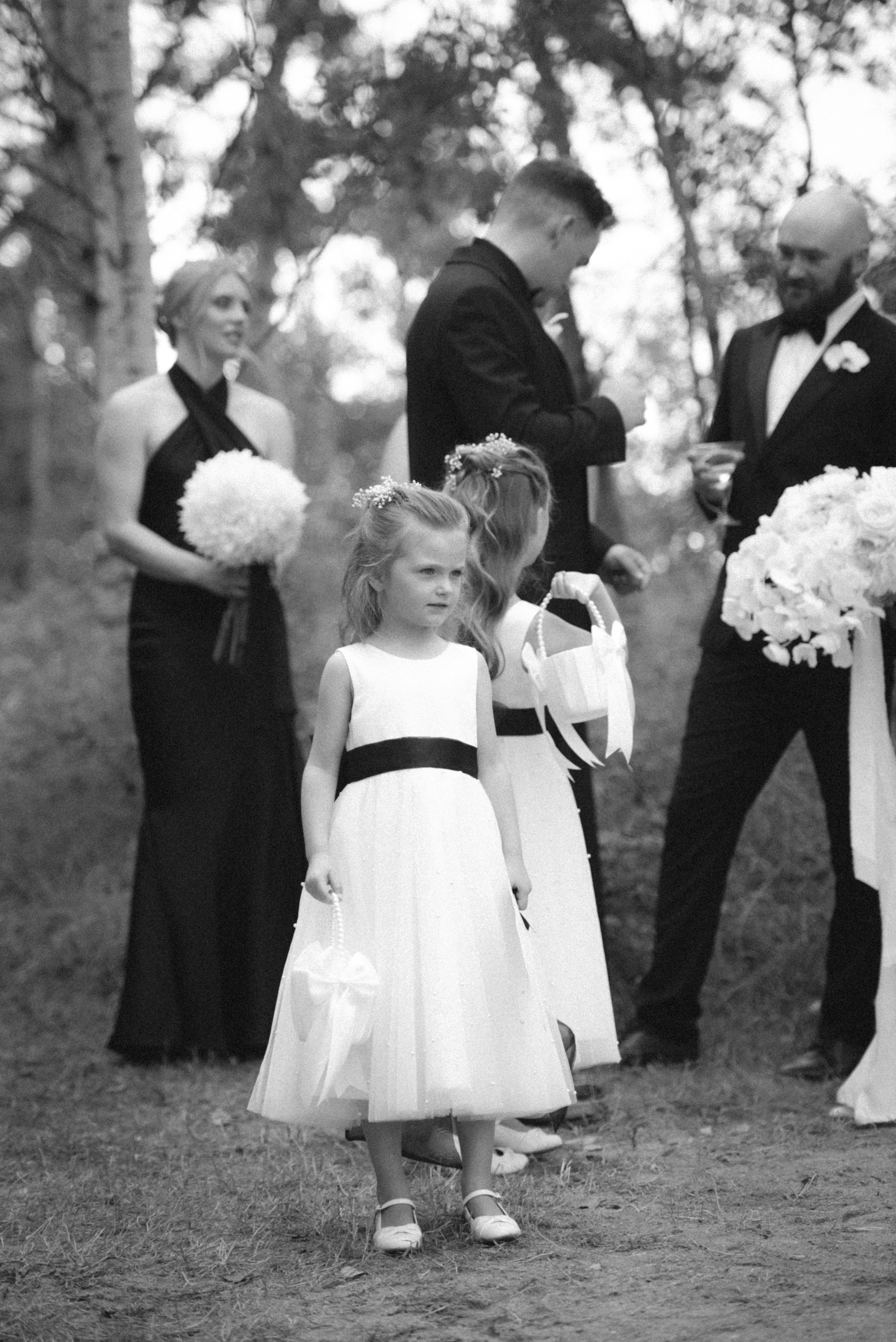
Emotion rarely exists in isolation. It ripples outward, and some of the most moving images at weddings aren’t even of the couple.
They’re of the mother watching from the front row, the friend wiping away tears quietly, the grandparents holding hands, or the guests laughing mid-toast.
If you want your galleries to feel emotionally rich, don’t just photograph the moment itself. Photograph who it’s happening to. The reactions and the witnessing add depth, and they often become the images couples cherish most because they didn’t even see them happening in real time.
Lens Choice Matters
The lens you choose affects how emotion feels in an image.
A longer lens, like an 85mm or a 70–200mm, allows you to give people space while still capturing intimacy. It lets you photograph tears during vows or a quiet hand squeeze without stepping directly into the moment.
Wider lenses, like a 35mm, can be beautiful for emotion within context, especially when you want to show atmosphere alongside feeling, such as a group hug or a full room reacting together.
Lens choice becomes part of your restraint, helping you stay close enough to document emotion while still allowing the moment to remain private and real.
Know When Not to Shoot
This might be one of the most important parts of photographing emotion well: knowing when to lower your camera.
Not every emotional moment needs to be documented. Some moments are deeply private, and part of professionalism is understanding the difference between storytelling and intrusion.
Couples trust photographers who photograph with care, not consumption. Emotion is not something to take. It’s something to witness, and sometimes the most respectful choice is to let a moment belong only to the people inside it.
Final Thought
Emotion isn’t something you can pose.
It isn’t something you can force. It’s the result of presence, trust, and allowing space.
The photographers who capture emotion most consistently are the ones who anticipate instead of chase, who stay a beat longer, who position thoughtfully, and who move through a wedding day with quiet awareness.
When you approach weddings this way, your galleries begin to feel less like a series of images and more like a true emotional record of what the day actually was.
Because the most powerful wedding photographs aren’t the perfectly curated ones. They’re the honest ones.
If you’re in the early stages of building your wedding photography business, having the right systems makes all the difference. Which is exactly why I created The Template Shop, with tools and resources to help you grow!