
My Lens Guide as a Wedding Photographer
It’s easy to get overwhelmed by the countless lenses out there.
When you’re first starting out in wedding photography, it can feel like everyone has an opinion on what you need. The best lens. The most essential focal length. The “must-have” gear list.
And while lens education is important, I truly believe this: until you’ve had the time and experience shooting weddings in real conditions, you won’t fully know what you gravitate toward.
Because lens choice is so much more than technical aspects.
It’s about how you move through a wedding day. What moments you naturally notice. How you tell a story. And what kind of feeling you want your images to hold.
Over the years, my lens choices have evolved as my style has evolved. And this is the lineup I reach for most often, based on the rhythm of a real wedding day.
So consider this less of a “rules” post, and more of a lived guide: the lenses I use, why I love them, and what moments they shine in.
Getting Ready
Getting ready is where the story begins.
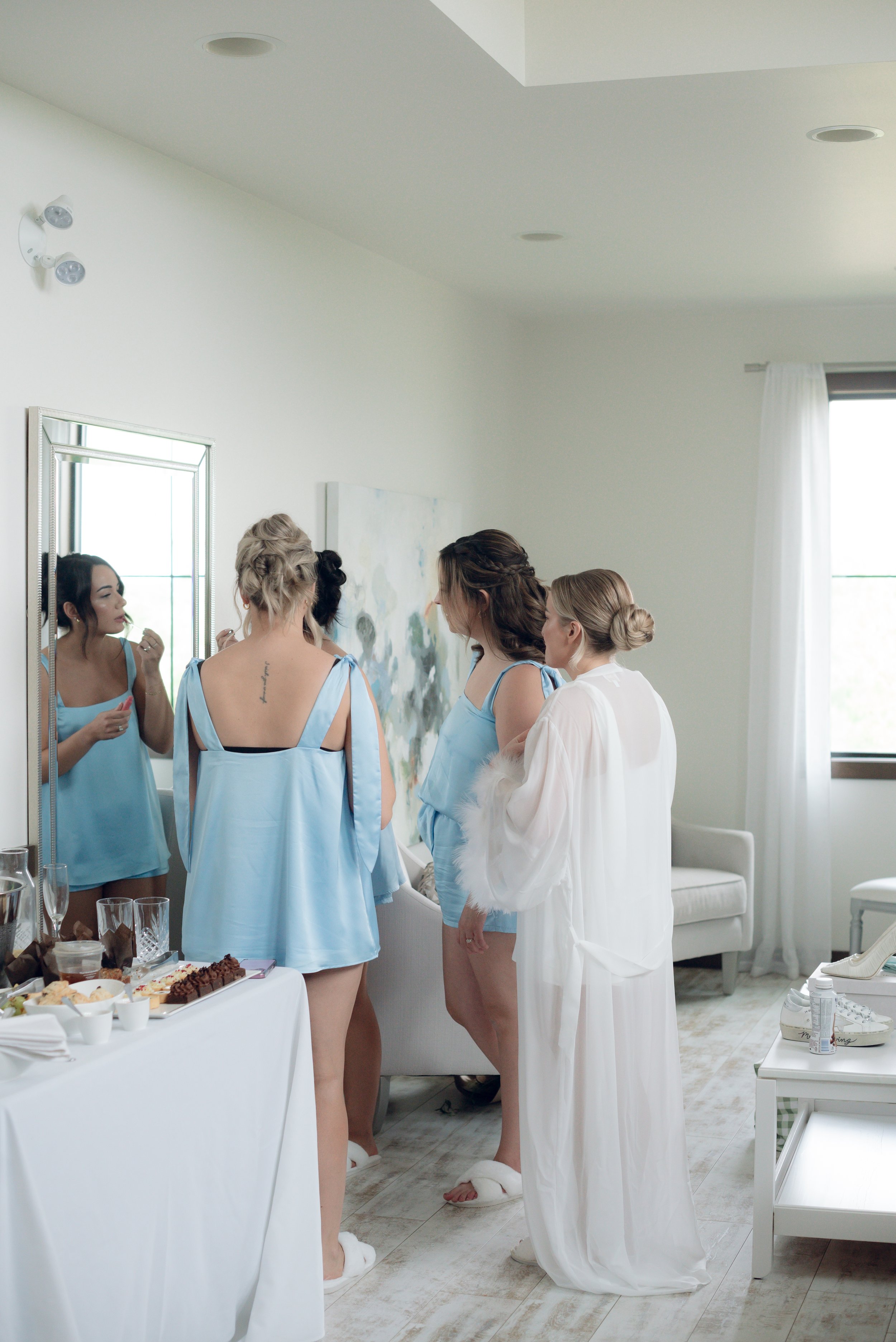
It’s quiet, emotional, and full of small moments: the dress hanging in the corner, the excited laughter between friends or someone steaming fabric in the background.
For this part of the day, I almost always reach for my 35mm.
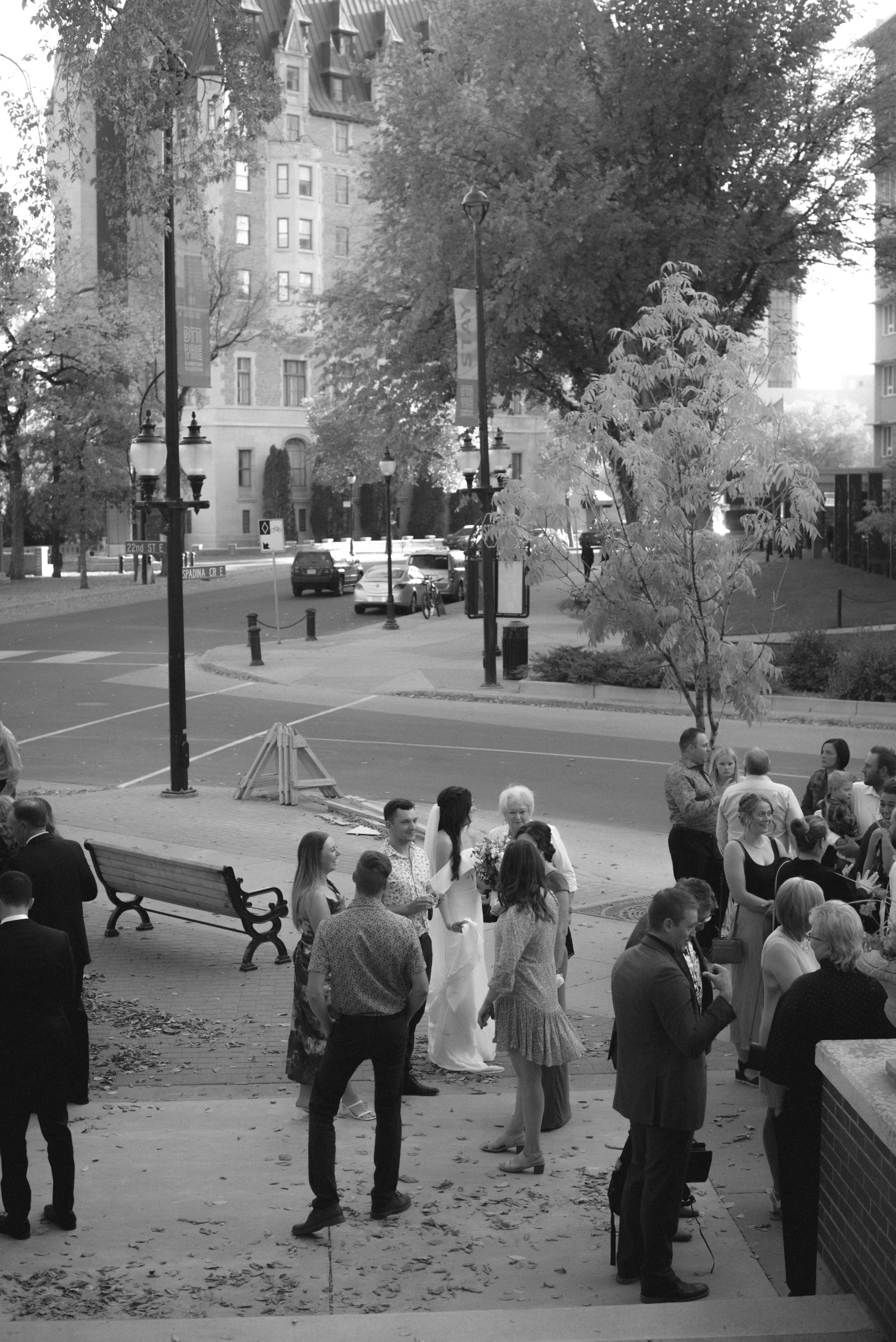
The reason is simple: space is often limited. Getting ready rooms can be tight, cluttered, and unpredictable. The 35mm allows me to capture the full environment without needing to back into a wall.
It’s perfect for wider shots of the room, the energy, the movement, and those early moments that set the tone.
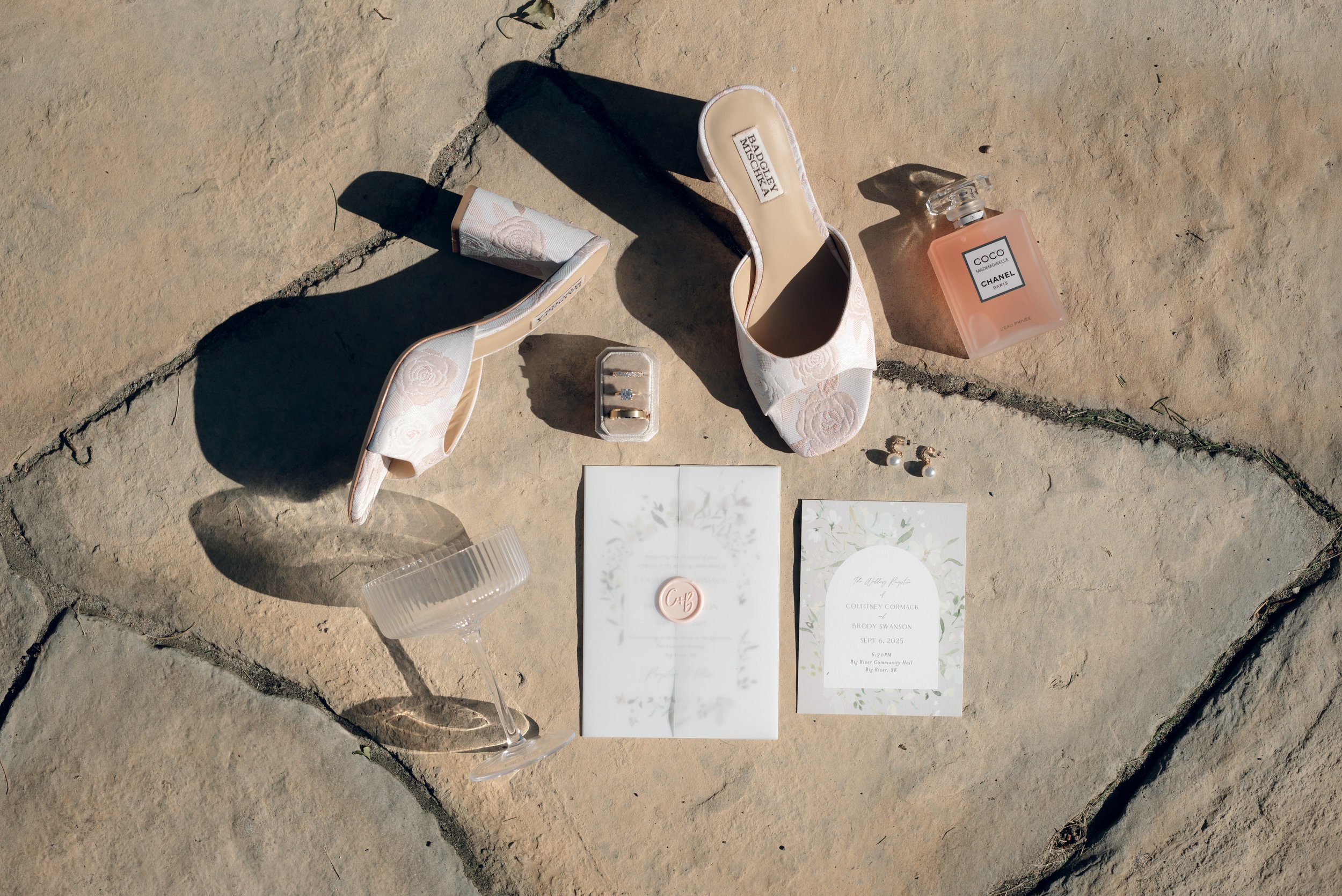
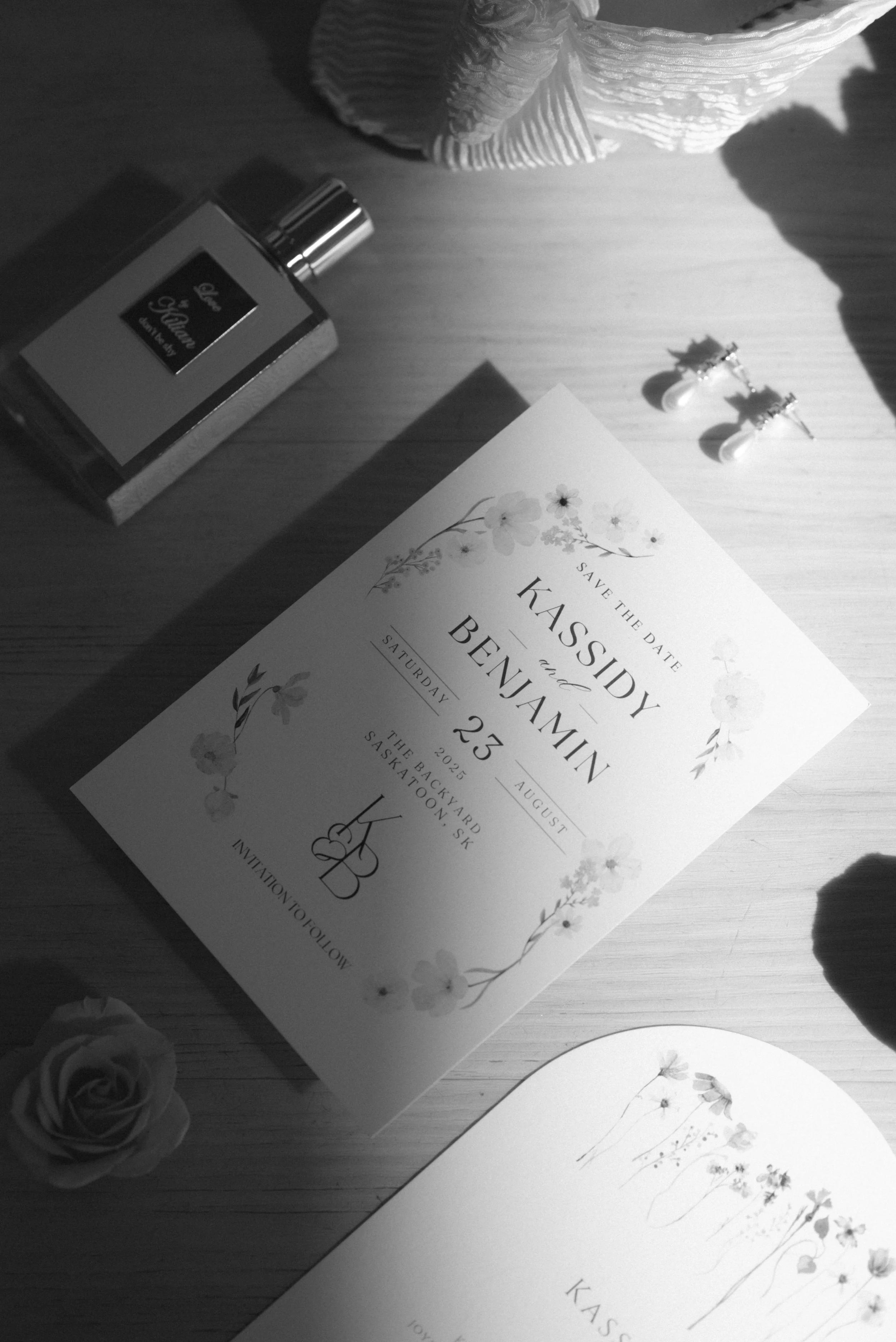
I’ll also bring in my macro lens for details.
This is where I capture the rings, invitation suites, shoes and other little details.
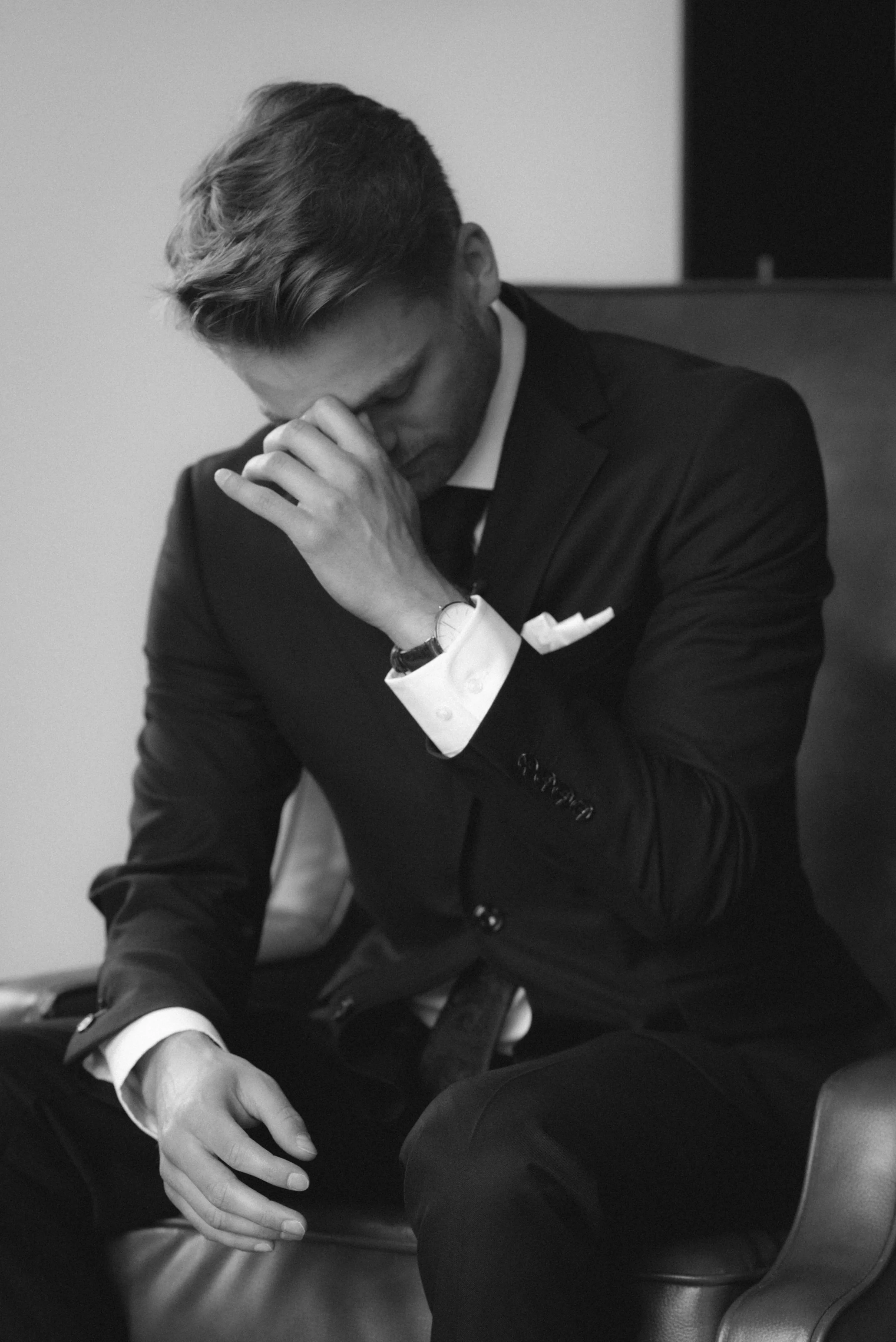
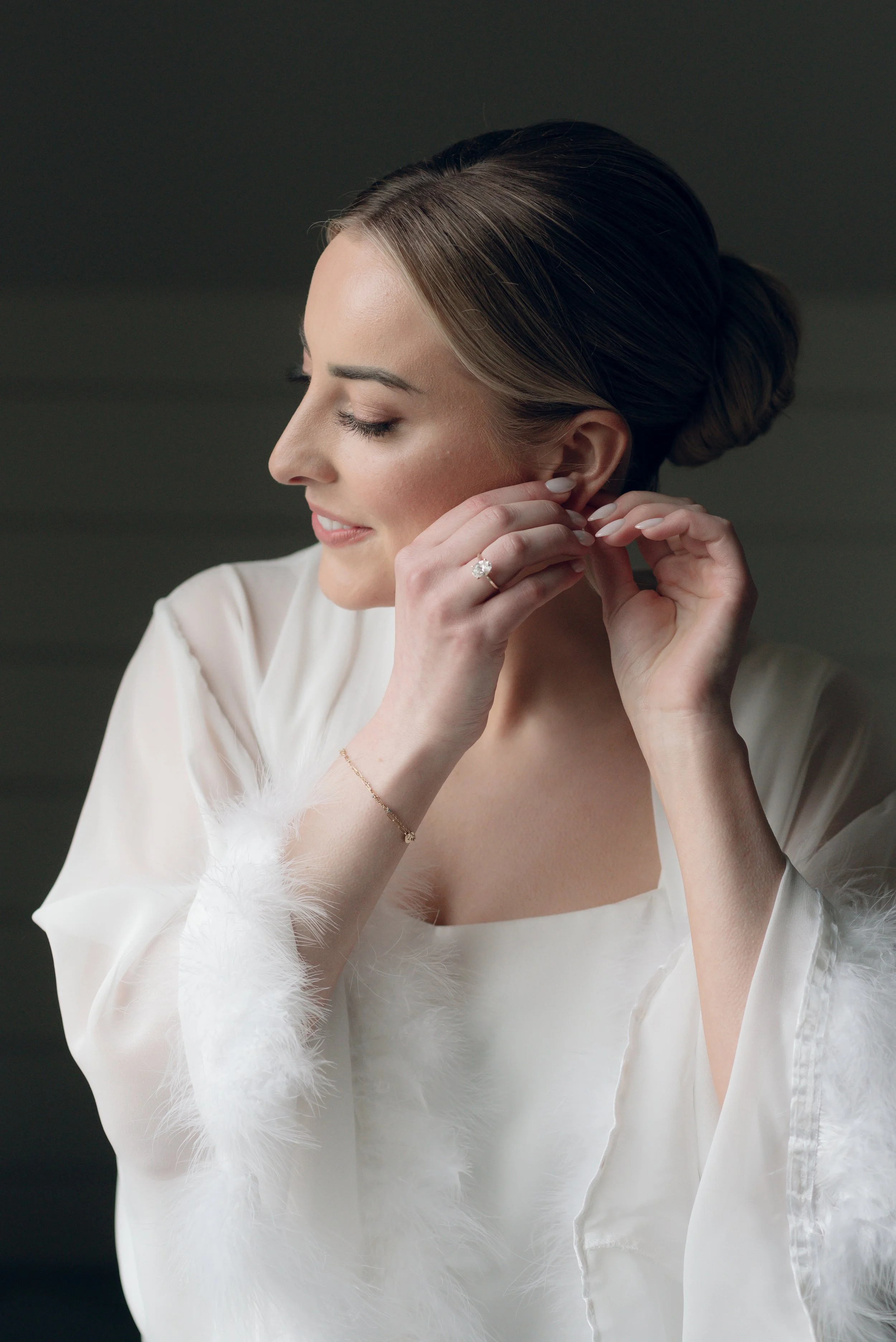
For more intimate portraits during getting ready, I love my 85mm.
It gives such a soft, flattering compression, especially for close-up moments like the final touches, a quiet pause by the window, or bridal portraits.
First Look
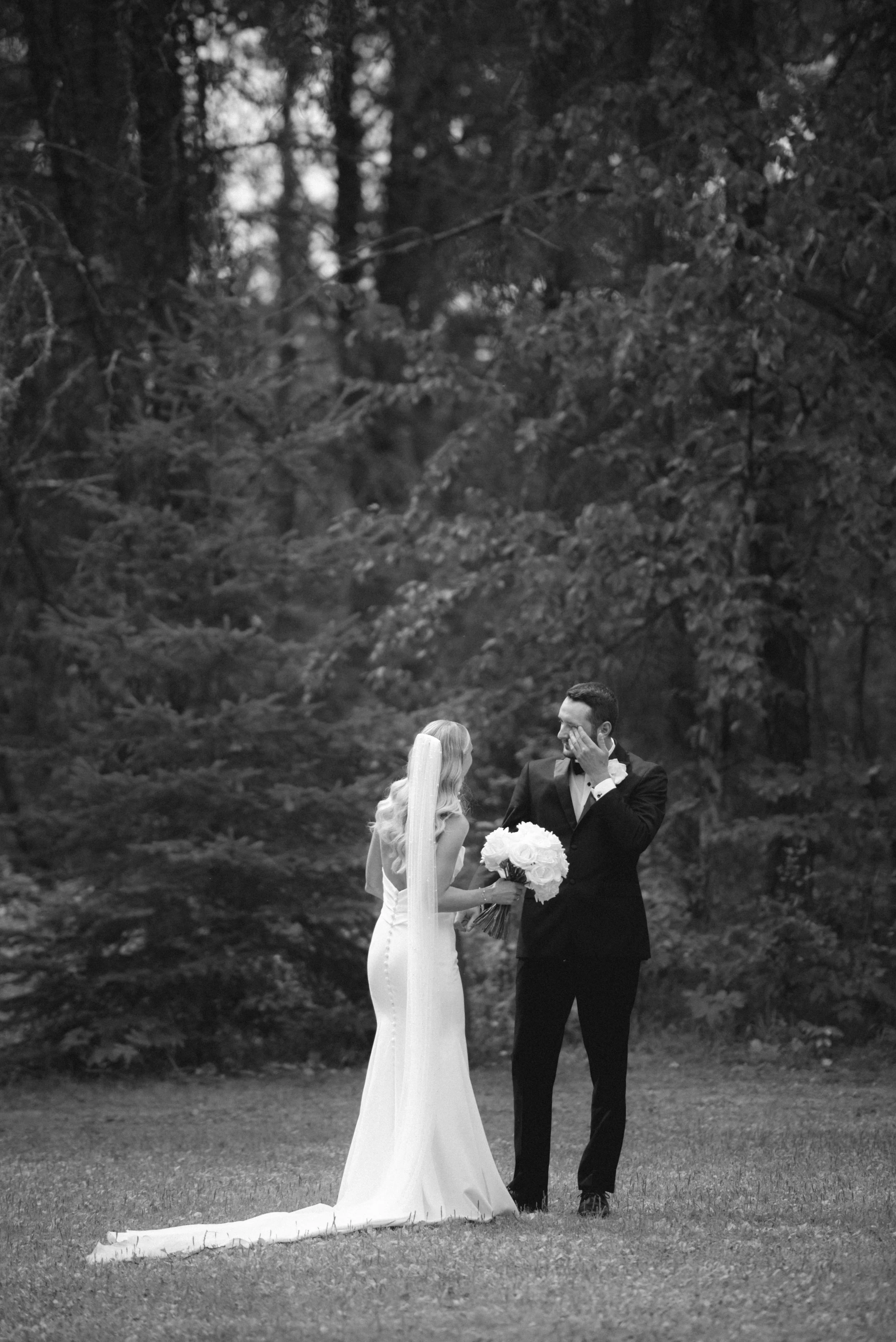
First looks are some of the most emotional moments of the day
If the first look is outdoors, I almost always reach for my 70–200mm.
This lens allows me to give couples privacy. I can step back, let them have their moment, and still capture the emotion clearly.
The images are incredibly crisp, and the background melts away into this creamy softness that feels cinematic without being forced.
It’s my favourite lens for capturing that initial turn, the tears, the laughter and the hug that happens right after.
If the first look is indoors, I’ll switch depending on space.
In tighter environments, I’ll use my 50mm, because the 70–200 can feel too long inside. The goal is always the same: closeness without intrusion.
Ceremony
The ceremony is where everything becomes real.
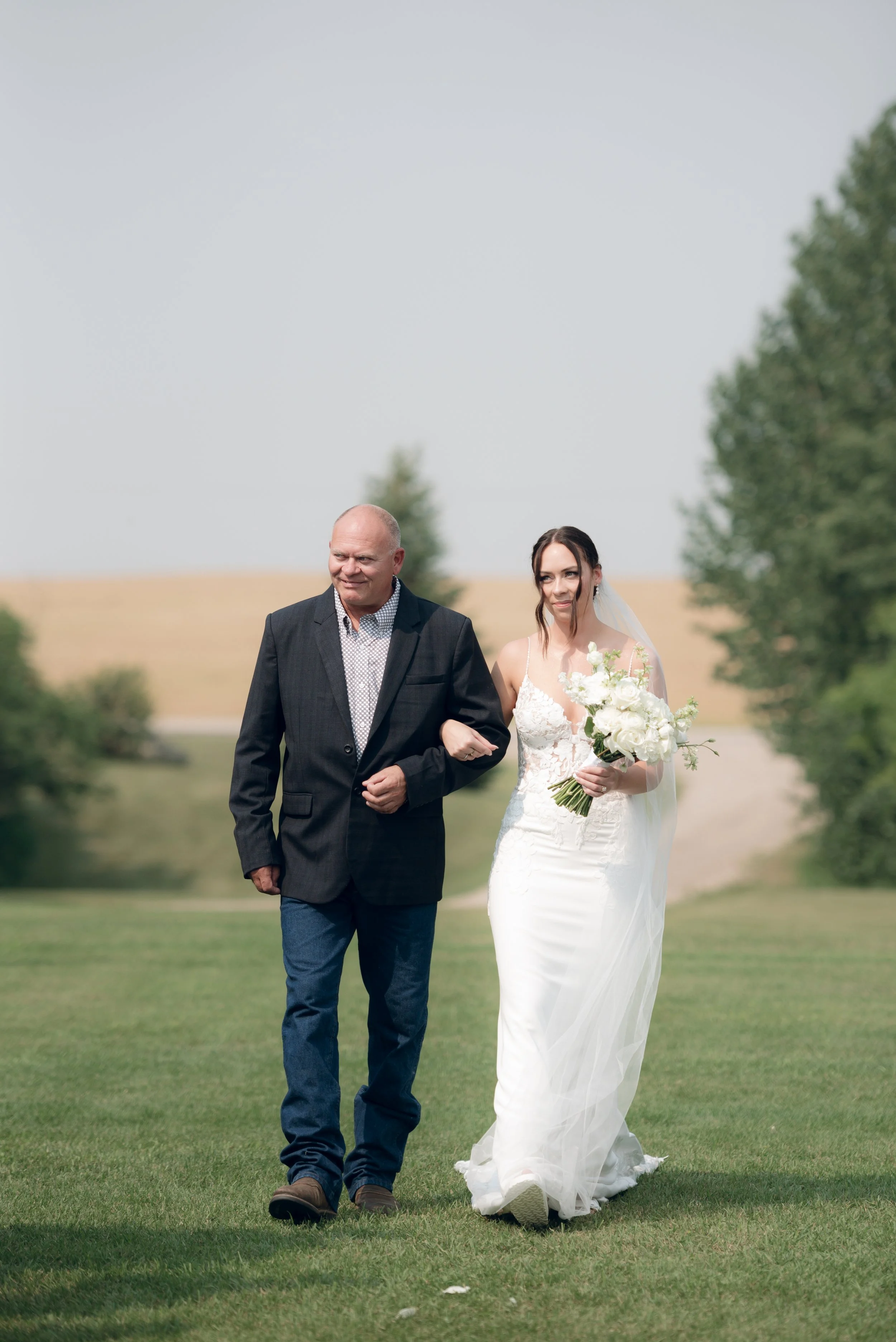
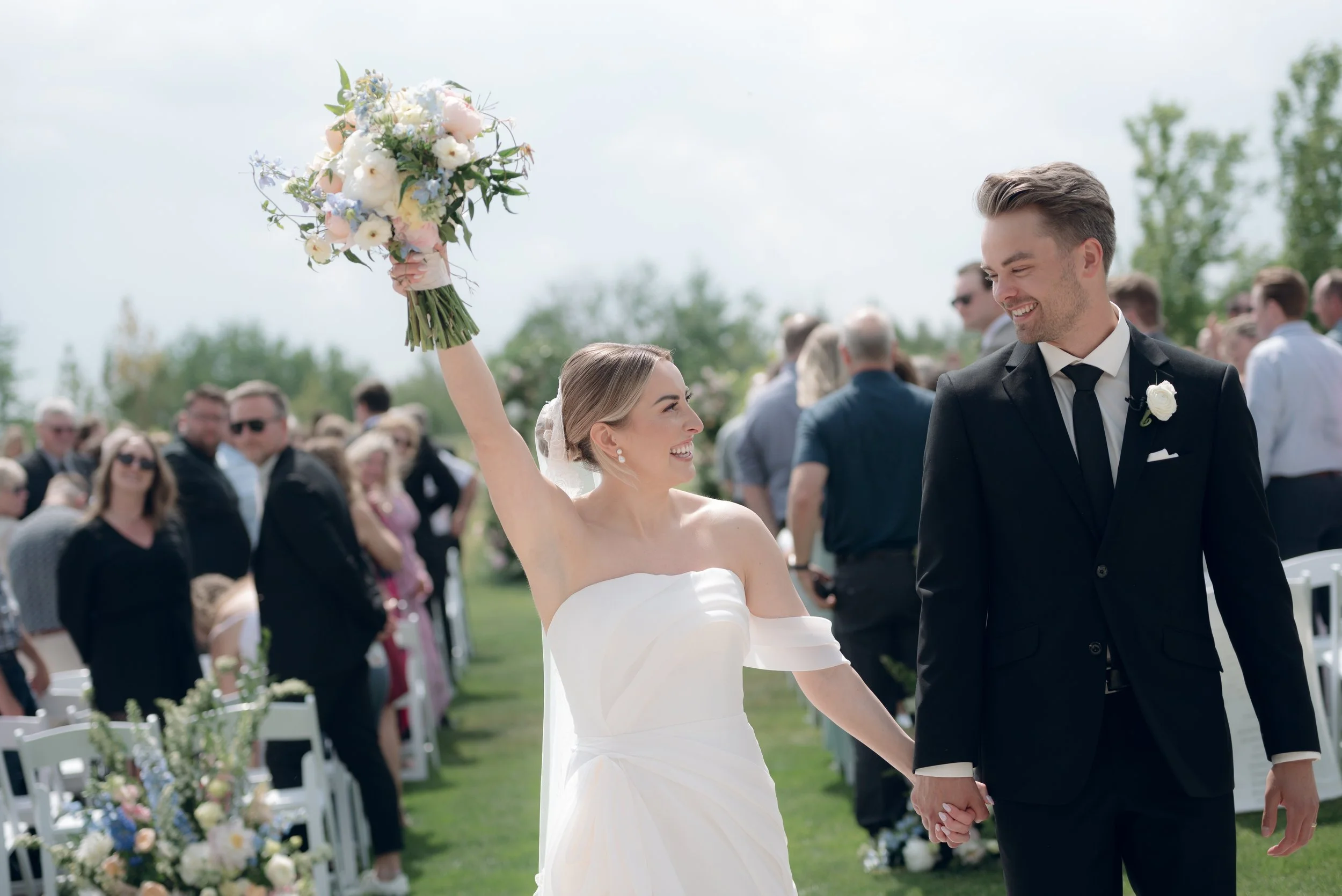
The processional. The exchange of vows. The ring placement. The first kiss. The way guests react in real time.
These moments happen once, and they happen quickly.
During ceremonies, my 70–200mm lives on one of my cameras the entire time.
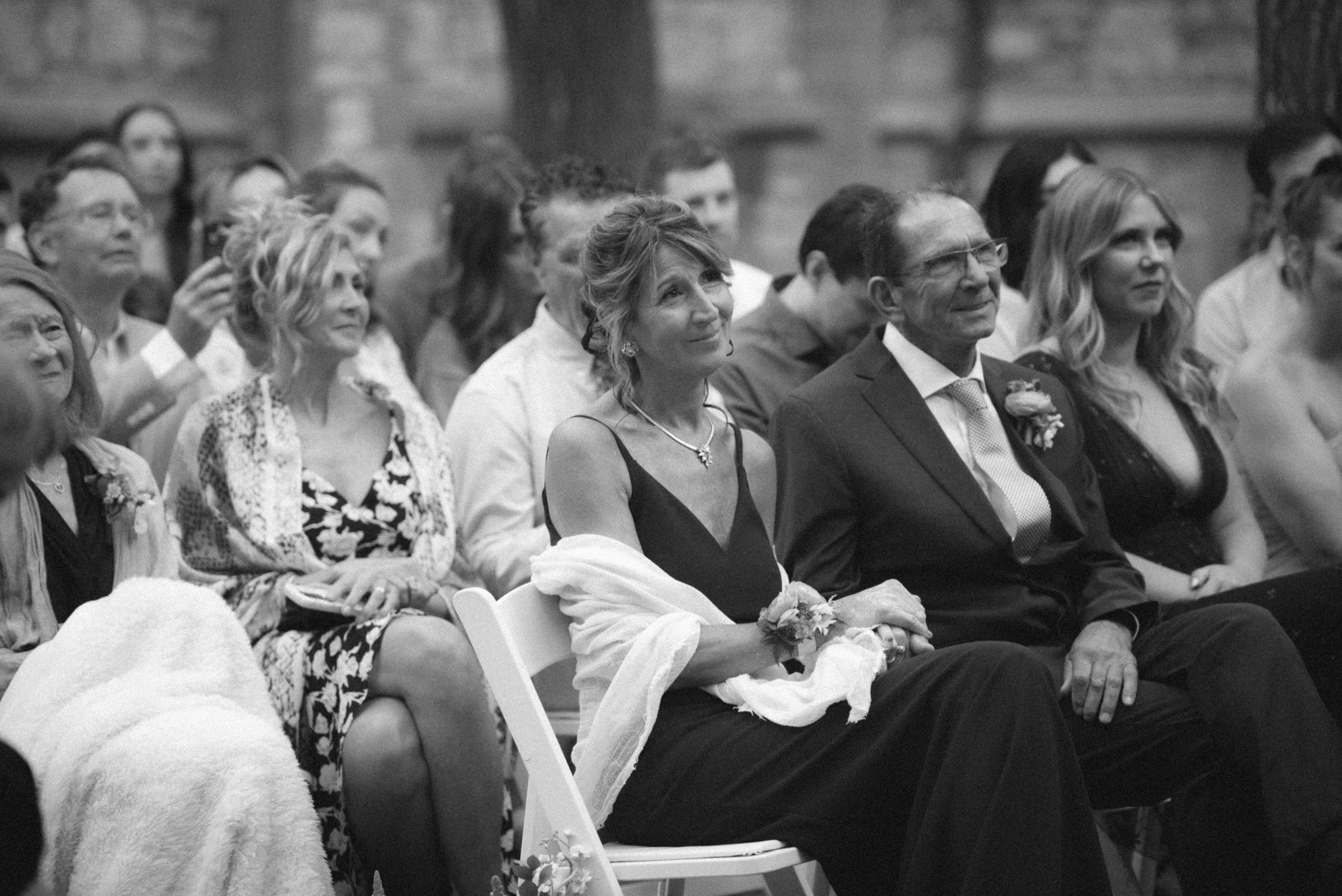
It allows me to capture candids of guests wiping away tears, parents holding hands, reactions during vows, without being obtrusive or stepping into the space.
I can photograph the ring exchange from a distance. I can zoom in for the first kiss. I can capture the emotion without becoming part of the moment.
On my second camera, I’ll often have something wider: either my 35mm or 50mm, depending on the ceremony space.
If it’s a small church or an intimate indoor ceremony, the 50mm is perfect. If it’s outdoors with room to breathe, the 35mm helps capture the full scene: the setting, the guests, the atmosphere.
Wedding Party and Family
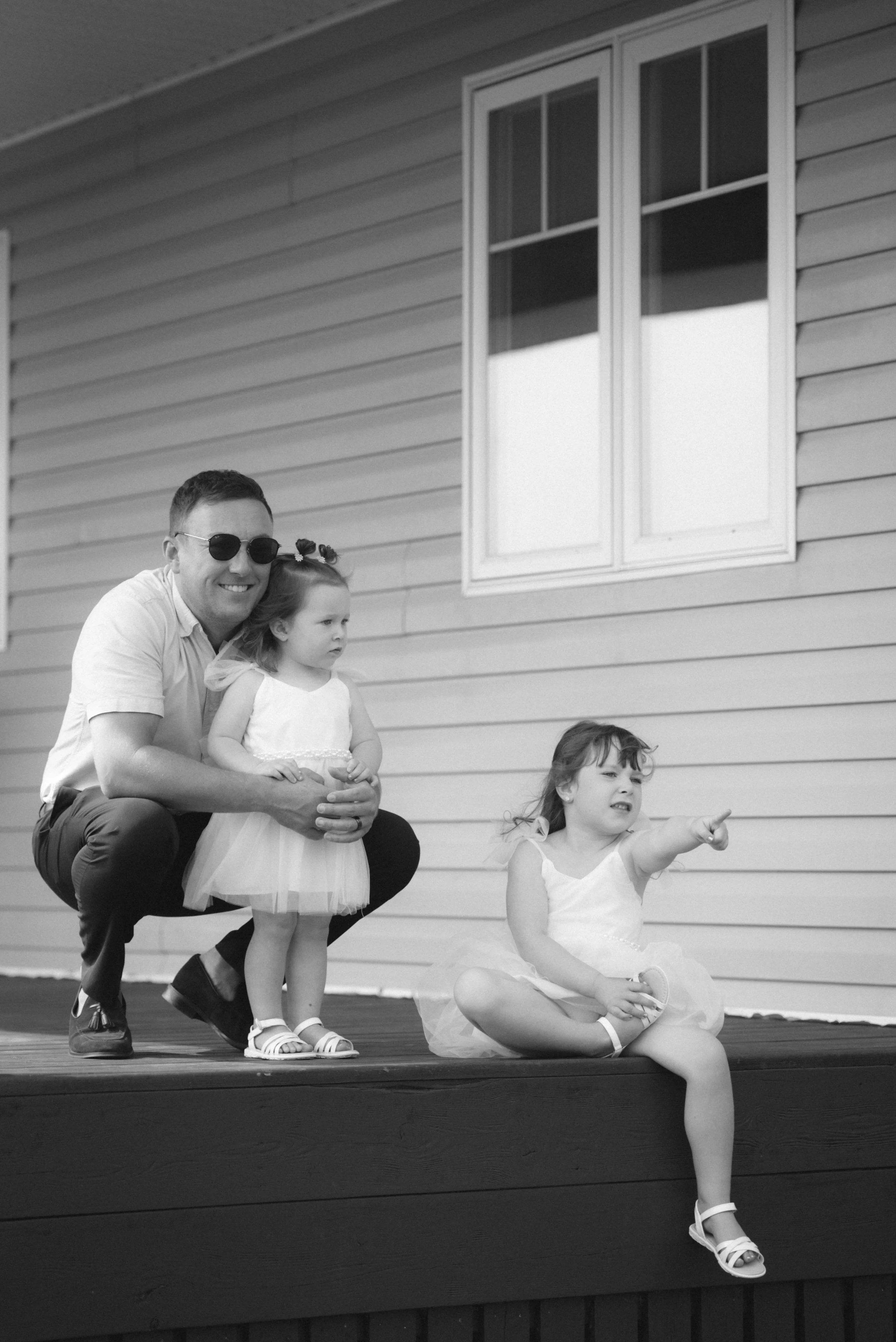
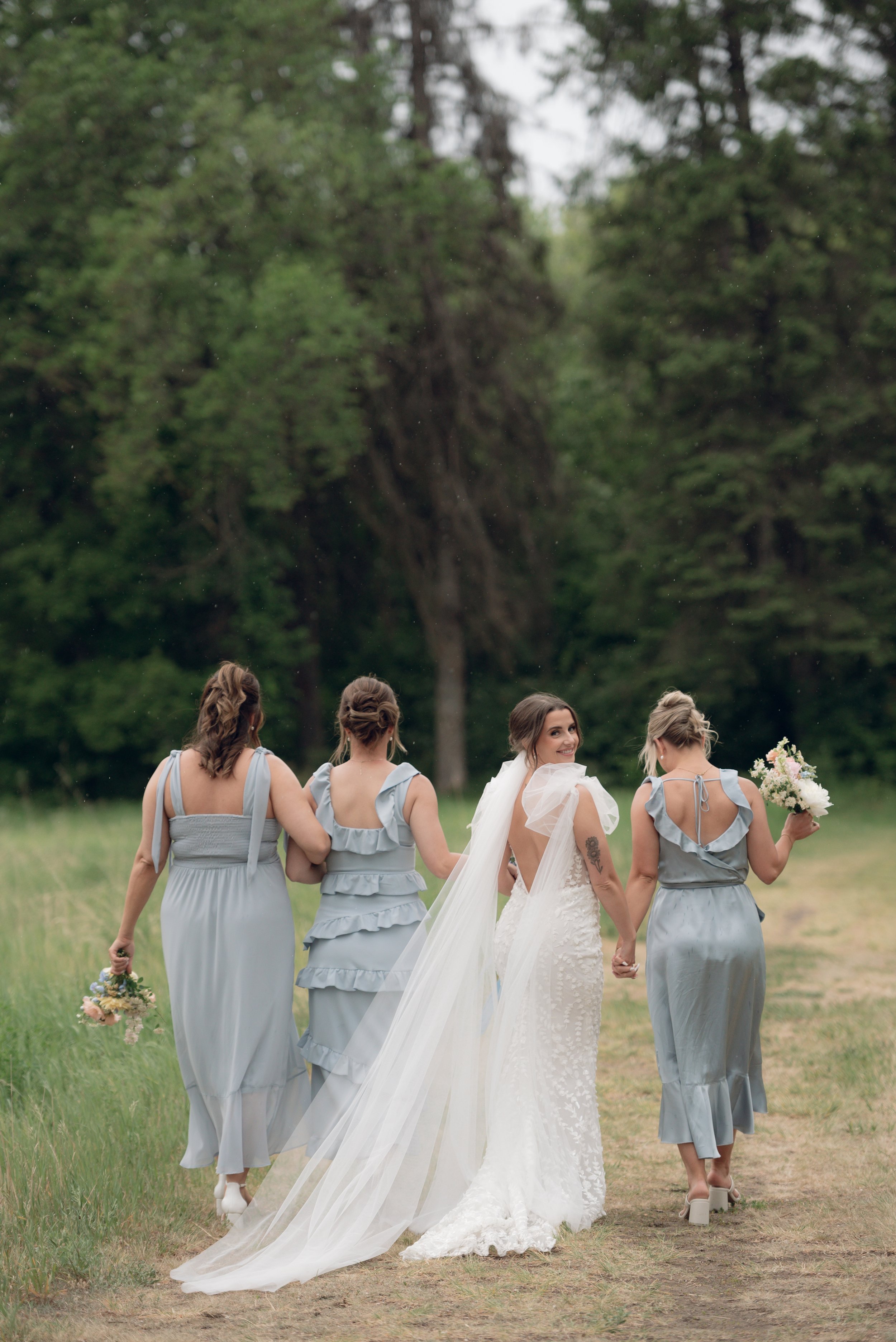
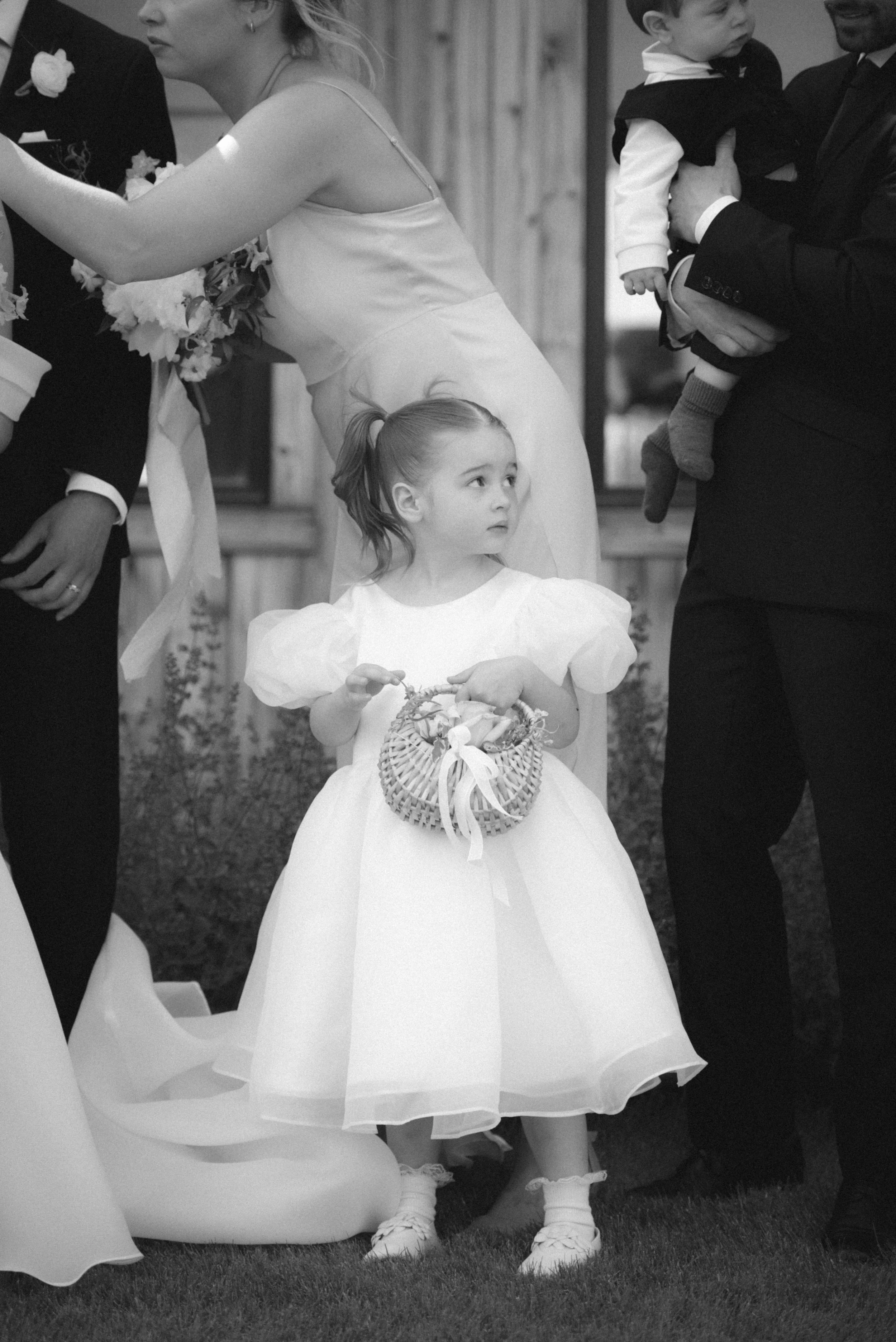
Family and wedding party photos are a blend of guidance and storytelling.
This is where we want everyone to look good, feel comfortable, and still keep things moving smoothly.
My go-to lens here is, again, the 70–200mm.
It’s probably my most used lens throughout an entire wedding day.
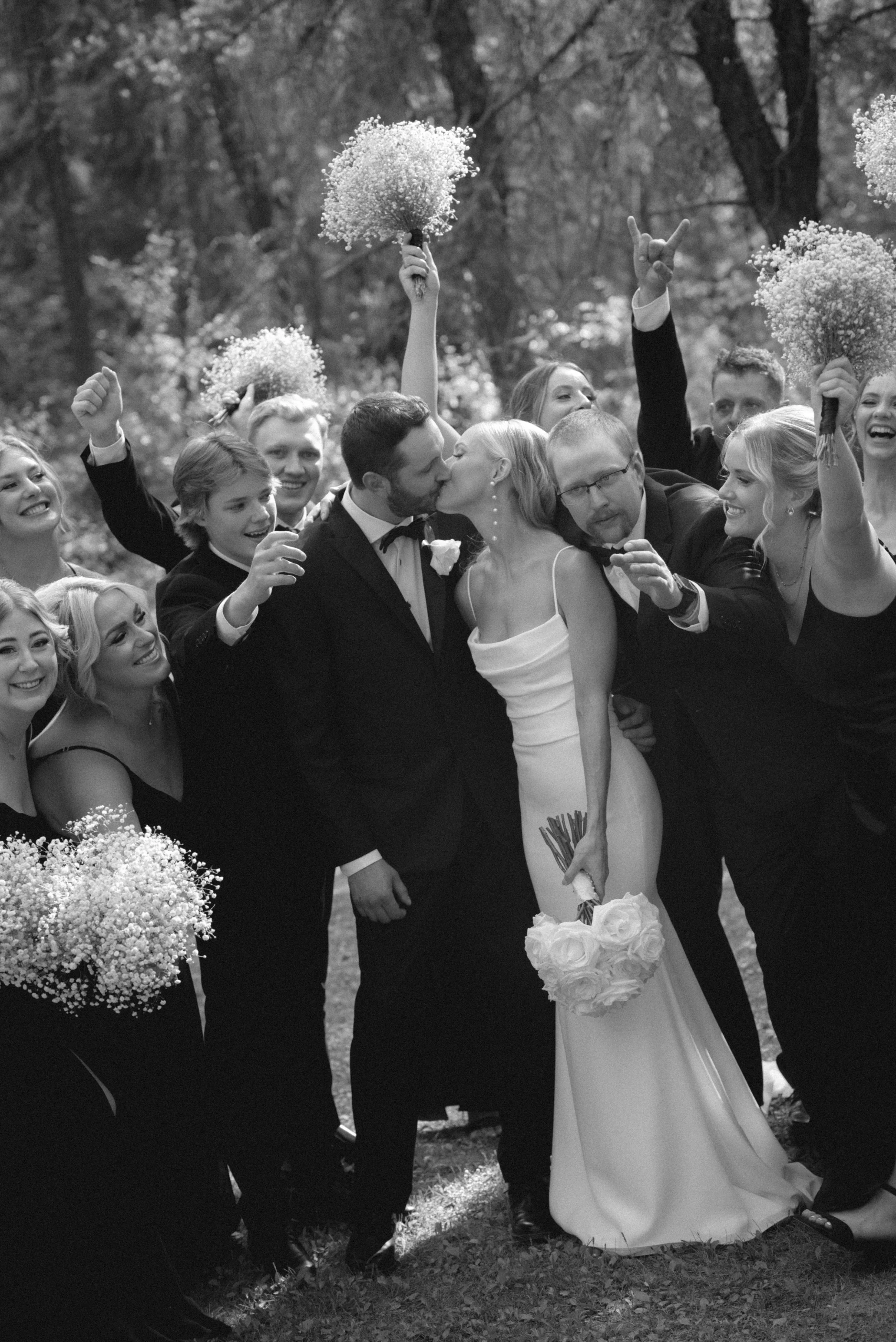
The compression is beautiful. The background separation is unmatched. It keeps group portraits feeling elevated without trying too hard.
And it’s also amazing for capturing in-between moments with the wedding party: someone fixing a tie, laughter between friends, a spontaneous hug.
If we’re in a more confined space, I’ll reach for my 50mm, which gives a more natural perspective while still feeling polished.
Couples Portraits
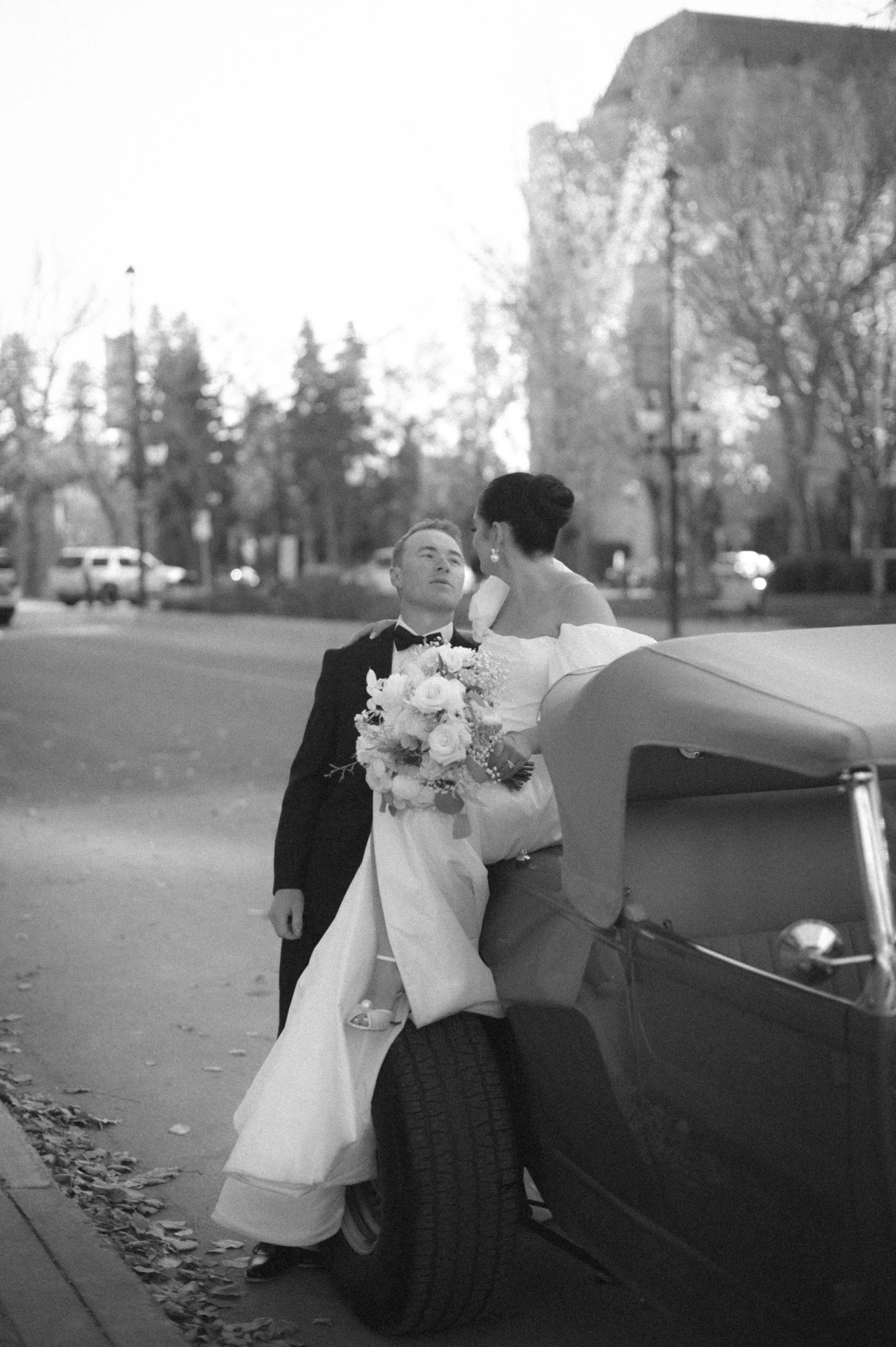
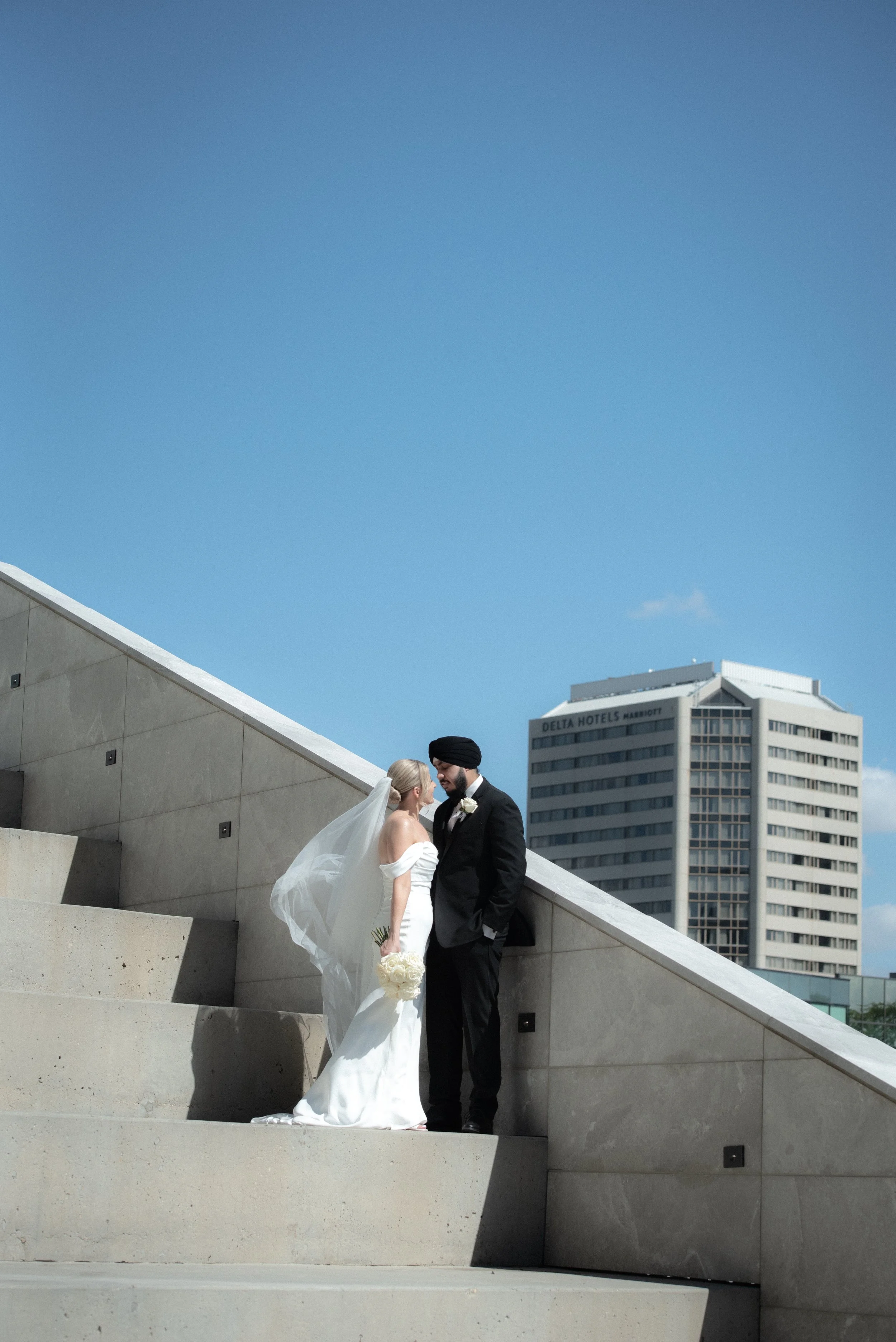
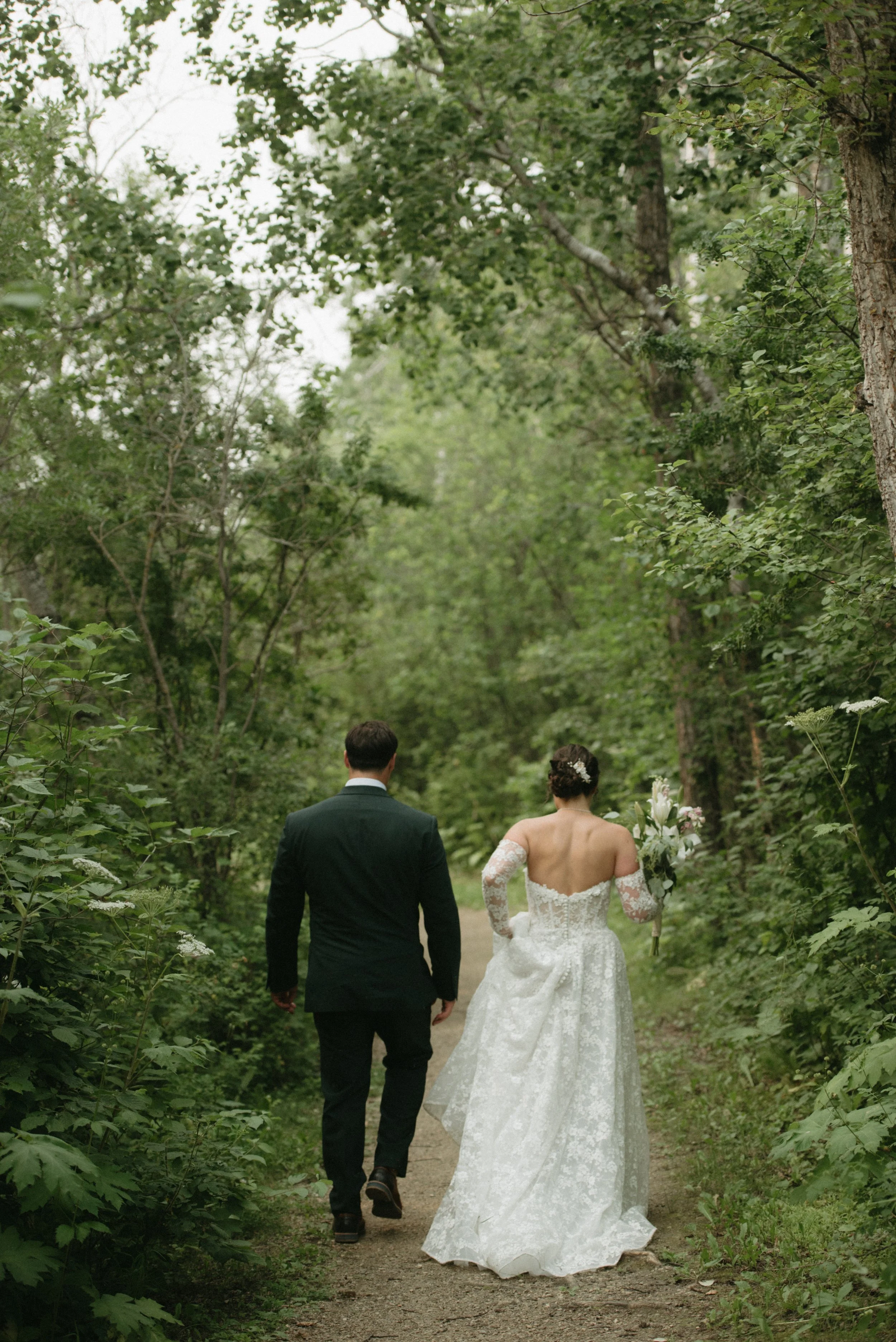
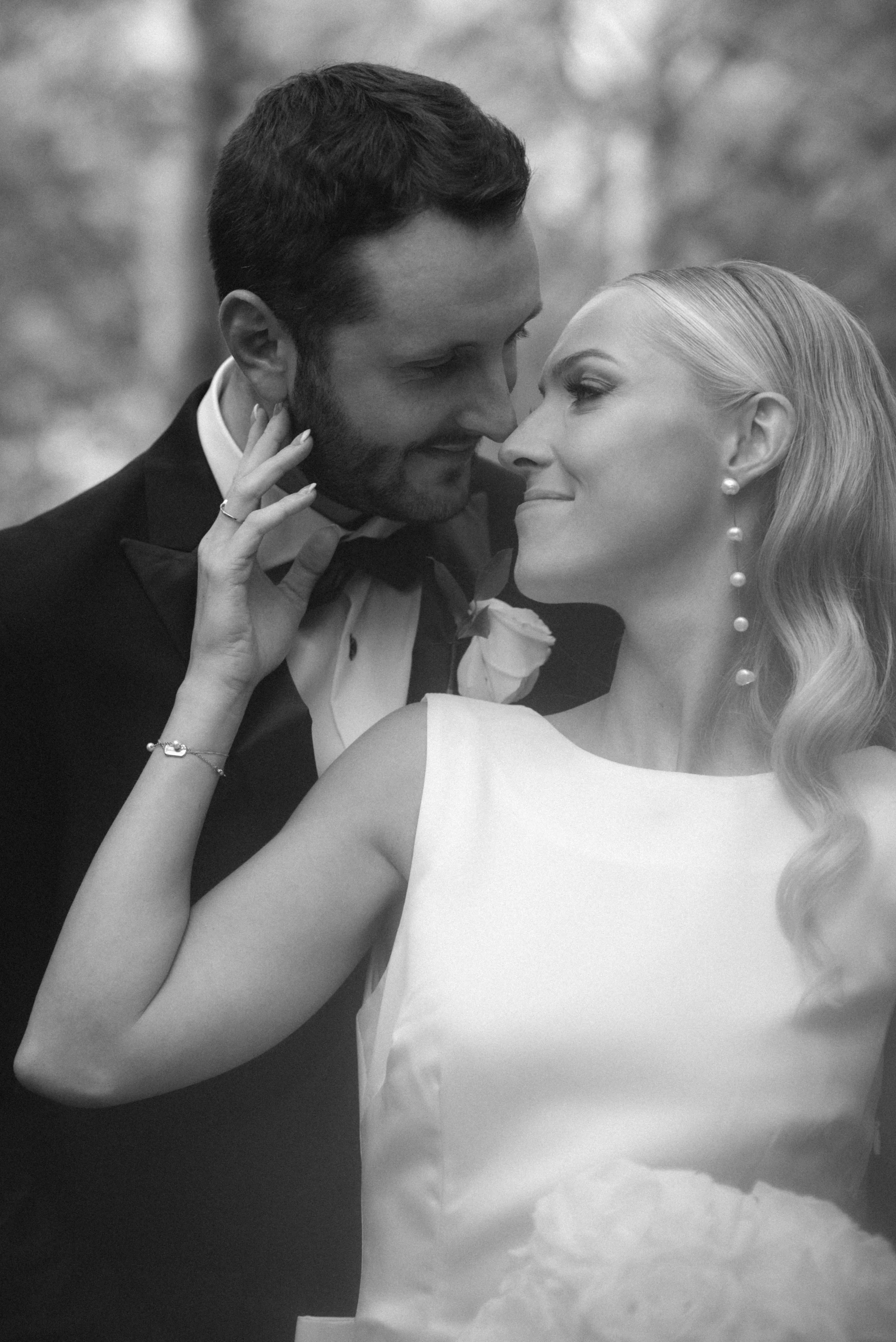
Couples portraits are where lens choice can completely shift the feeling of an image.
This is where I like to create variety, not just in posing, but in perspective.
My top three lenses for portraits are:
70–200mm
85mm
50mm
The 70–200 gives that dreamy, cinematic look with creamy backgrounds and distance.
The 85mm feels intimate and romantic, perfect for close connection.
The 50mm is more natural and focuses more on the environment or setting we’re in.
Switching between these lenses allows me to tell the story in multiple ways, without the gallery feeling repetitive.
Reception
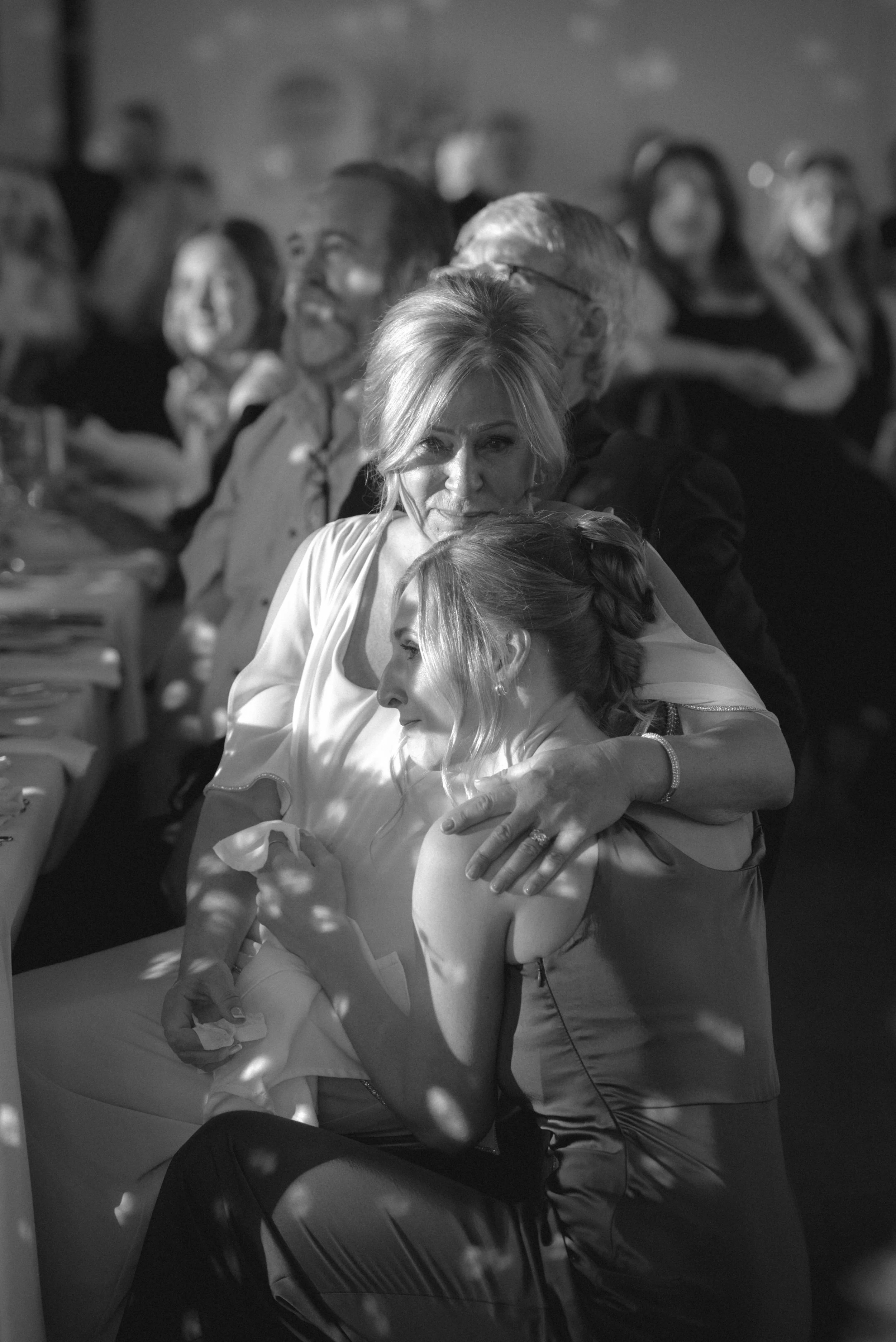
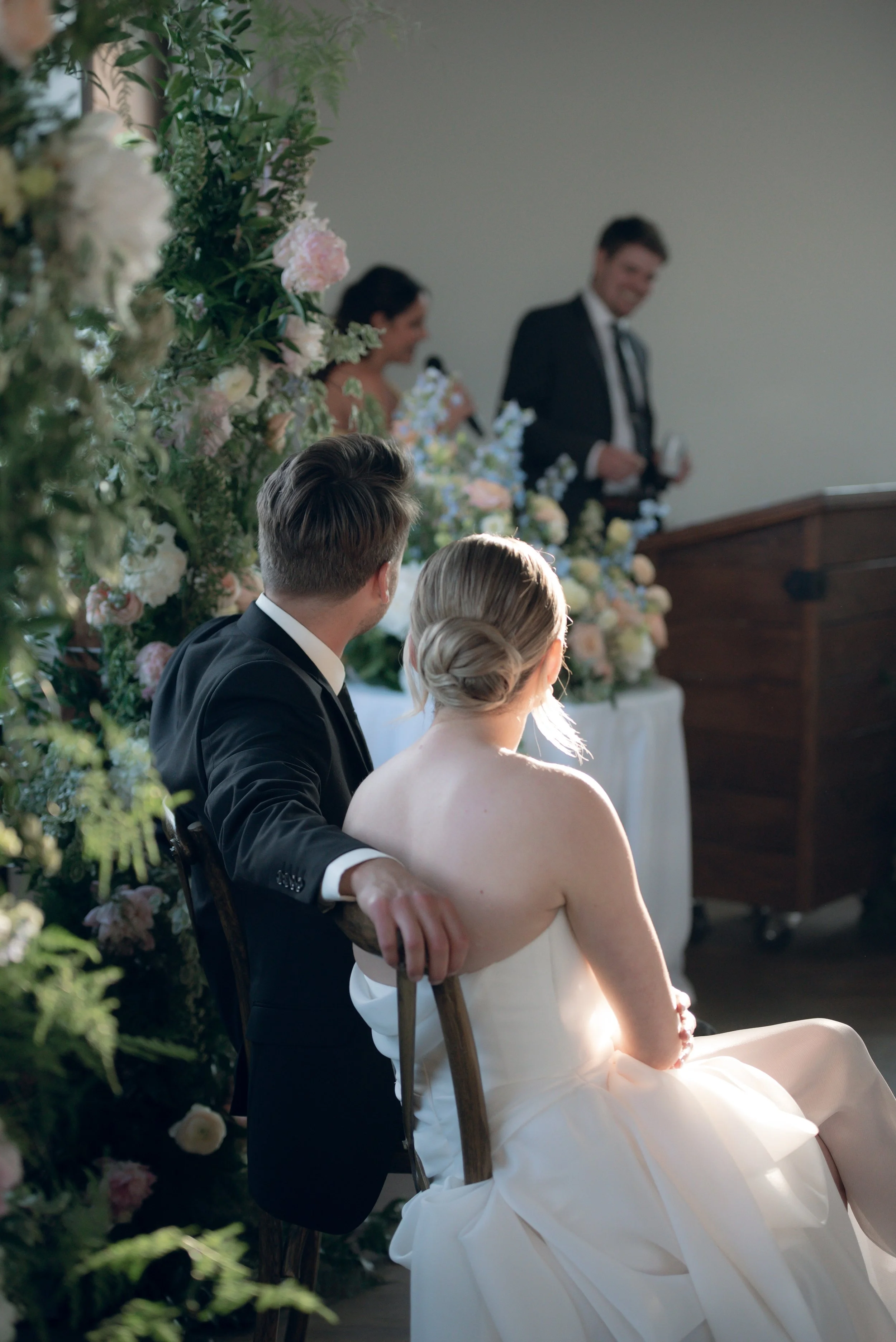
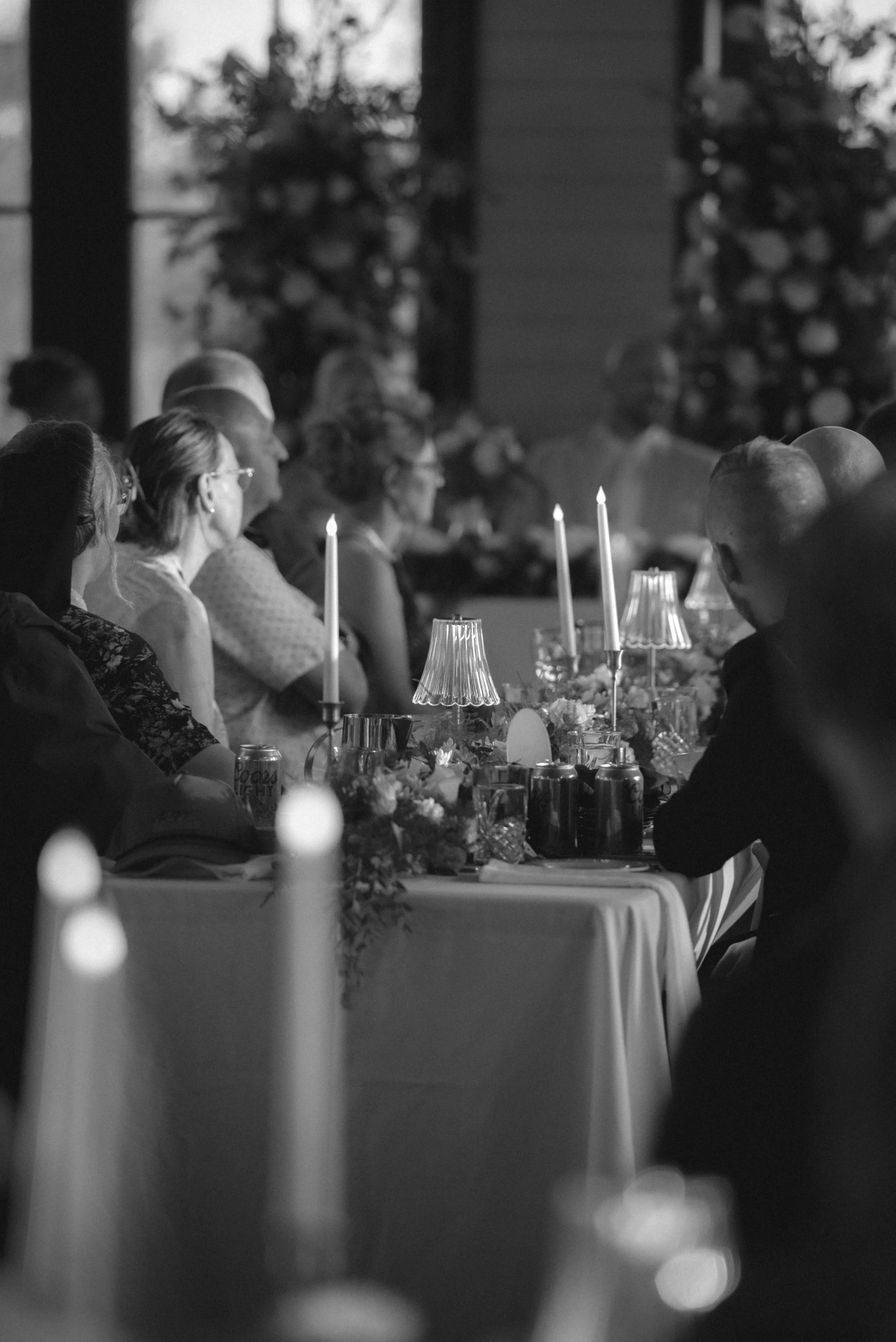
This is where everyone settles in. Where speeches bring out tears and laughter. Where guests lean in close over dinner, sharing stories and soaking it all in. The energy is warm, layered, and full of connection.
For receptions, my 70–200mm often stays on my camera.
It allows me to capture candid guest moments without being directly in someone’s space. I can photograph reactions during speeches, the way someone laughs mid-toast, or a quiet emotional moment between parents across the room, all while letting the moment unfold naturally.
For wider shots of the room and atmosphere, my 35mm is usually on my second camera body so I can quickly capture the full space when needed.
And when it comes to first dances, I usually reach for my 85mm. The lighting is often dim and the moment feels so intimate, and this lens gives that soft, romantic compression that makes the couple feel beautifully separated from the background. If we’re working with limited space, I’ll switch to my 50mm instead.
When it comes to reception details, I most commonly reach for my:
Macro lens
85mm
35mm
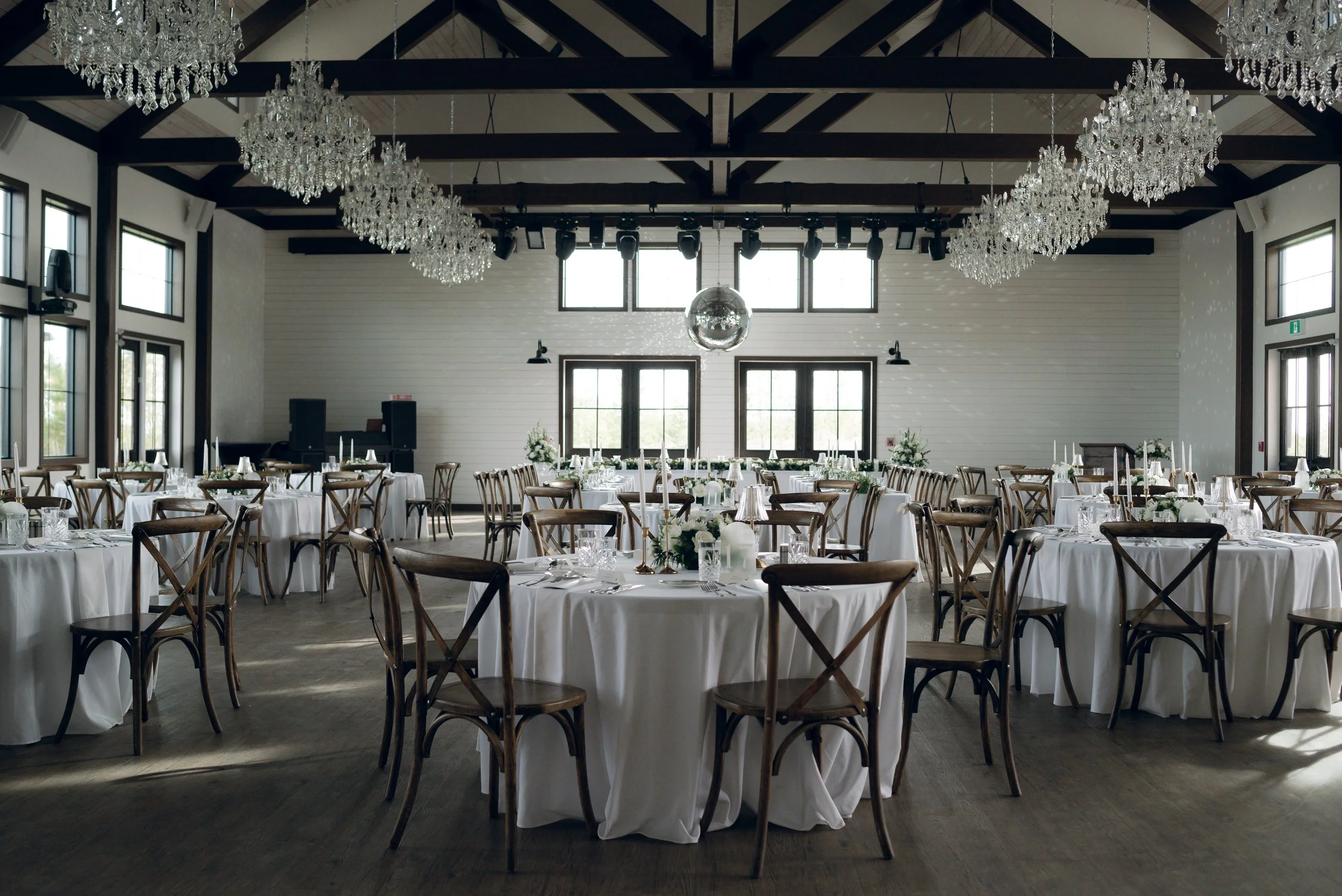
The macro is perfect for the close-up details whereas the 85mm gives a timeless, elevated look for florals, place settings, and table setups.
And I always love including a wider 35mm shot of the full space, because it captures the atmosphere guests are about to walk into before the night begins.
These images aren’t just “pretty.” They complete the story. They help the couple remember what the space felt like before it filled up with their people.
Dance
Once the dance floor opens up, everything changes.
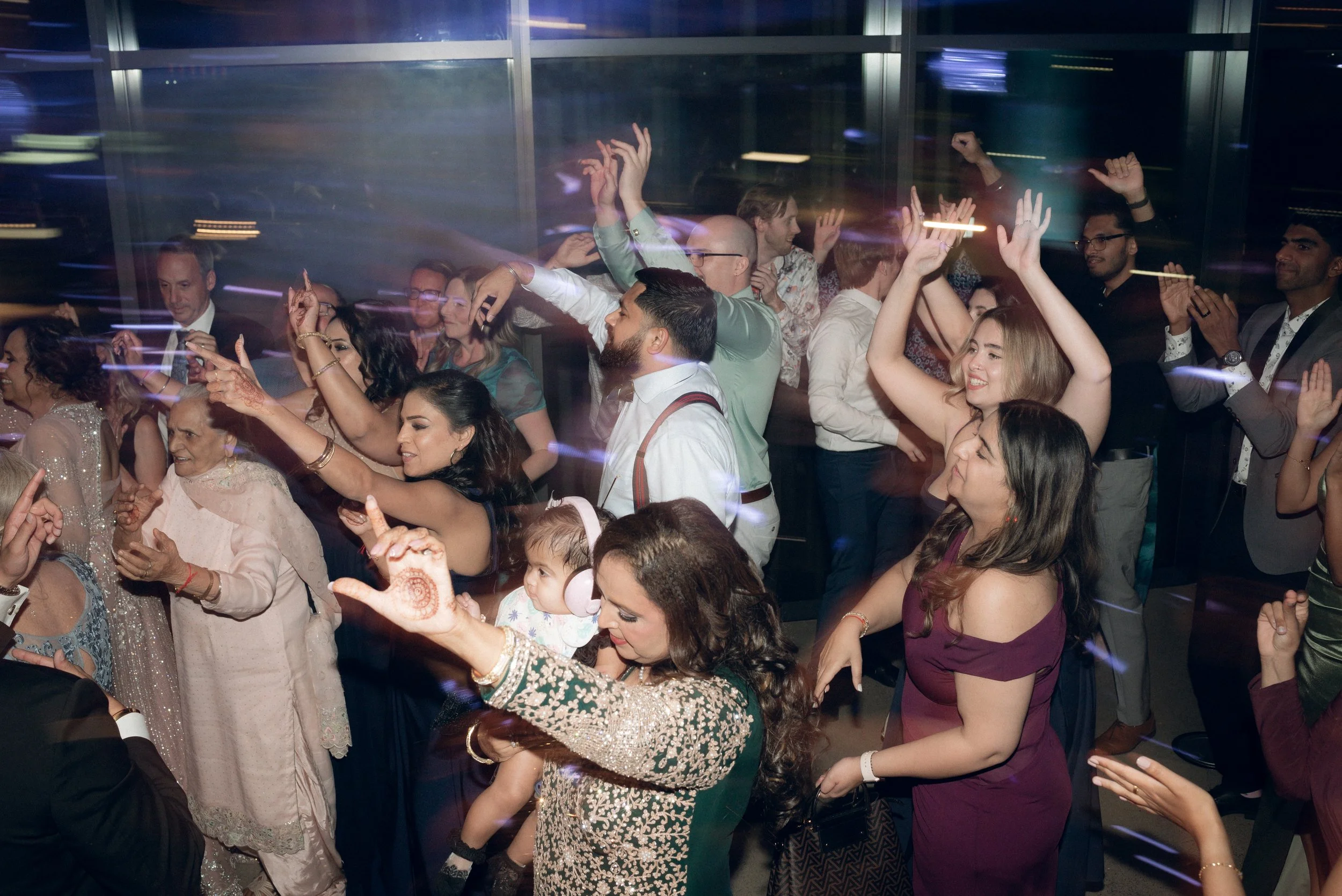
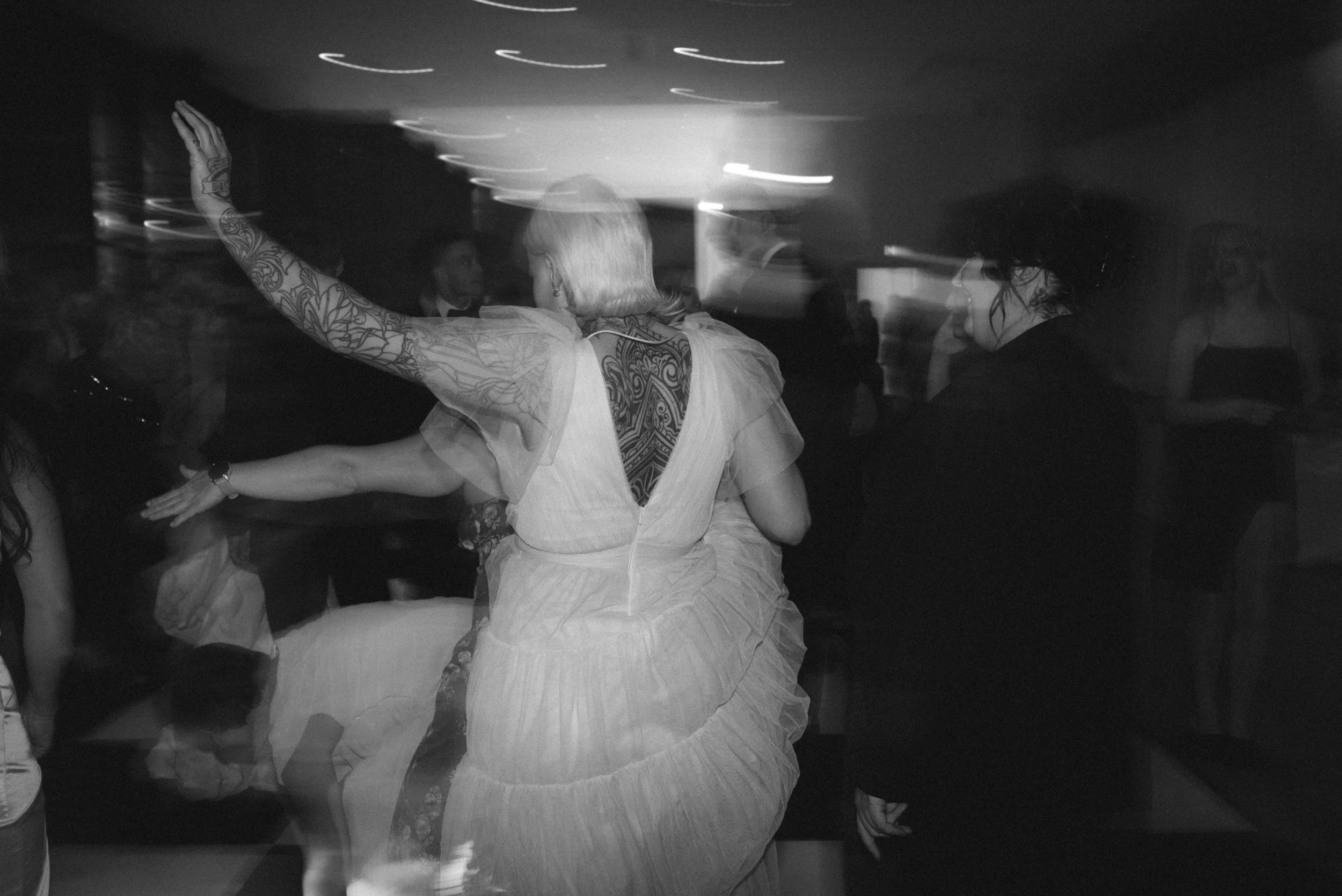
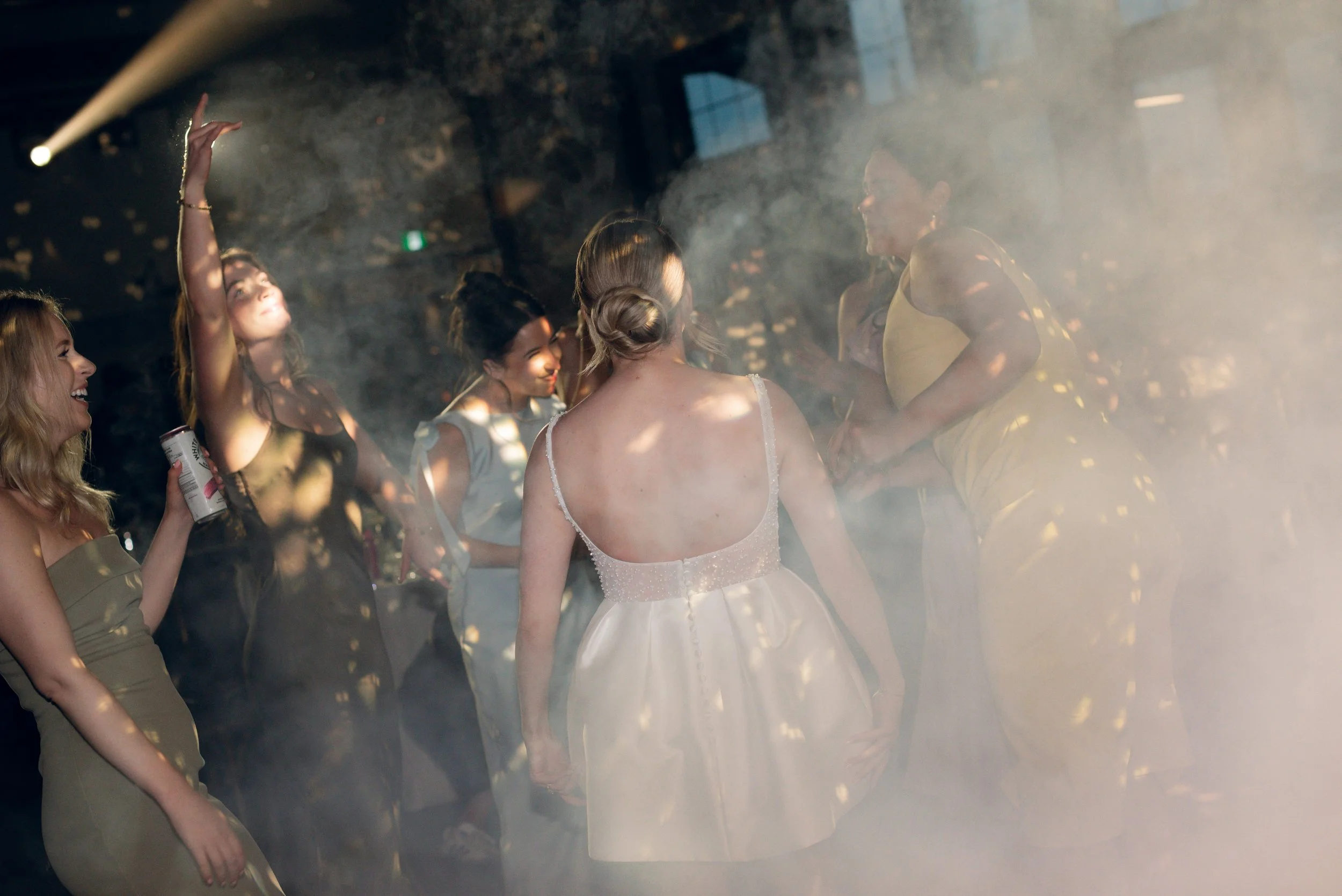
This is the part of the day that is truly chaotic in the best way. It’s loud, fast, imperfect, joyful, and completely candid. The composition isn’t always polished, and that’s exactly what makes it feel so real.
For the dance floor, I almost always reach for my 35mm.
I want the images to feel like you’re in it. People dancing with their friends, arms around each other, motion blur, guests floating in the background. It captures the true essence of that part of the day, not just what it looked like, but what it felt like.
The dance floor is messy, alive, and unforgettable, and the 35mm tells that story honestly.
The energy is real, and I want to preserve it without interrupting it.
Final Thoughts
Lenses are an extremely personal choice for photographers, and there is no right or wrong way to shoot a wedding day.
The lenses you use impact not only the technical outcome, but the style and feeling of your work.
They shape how you see. How you move. What you notice.
I’m someone who prefers using multiple viewpoints on a wedding day which is why I operate with two camera bodies at all times.
The best advice I can give is to shoot often, experiment widely, and pay attention to what you naturally gravitate toward.
Because your lens choices, just like your style, are something you uncover over time.
If you’re craving more support as you build your workflow, style, and confidence as a wedding photographer, my template shop is filled with resources I’ve created for photographers just like you!