
What Makes a Wedding Gallery Feel Like a Story (Not Just a Collection of Photos)
You know when you scroll through a wedding gallery and it feels like you’re right back there?
Not just seeing the day, but feeling it too.
You can almost hear the laughter during getting ready.
You remember the way the room looked before guests arrived.
You feel the nerves before the ceremony and the weight of the in-between moments that weren’t planned, but mattered just as much.
That’s the difference between a gallery that’s simply a collection of beautiful images, and one that truly tells the story of the day.
If you’re a wedding photographer reading this, learning how to create that feeling is everything.
A story-driven gallery doesn’t just elevate your work, it elevates the entire client experience.
It’s what makes couples relive their day, not just scroll through it.
And most of the time, what creates that feeling isn’t the big highlight moments.
It’s the in-between. The B-roll and the quiet pieces that connect everything together.
Where Storytelling Begins
A wedding day is full of obvious moments.
The first kiss. The ceremony exit. The portraits at golden hour. The packed dance floor.
These are the photos everyone expects, and of course, they matter.
But the galleries that feel the most meaningful aren’t only made up of highlight images.
They’re made up of the full experience.
Because a wedding isn’t just a series of events. It’s a day with emotion, atmosphere, movement, people, anticipation, and energy that shifts hour by hour.
A gallery becomes a story when it holds all of that, not just the polished parts.
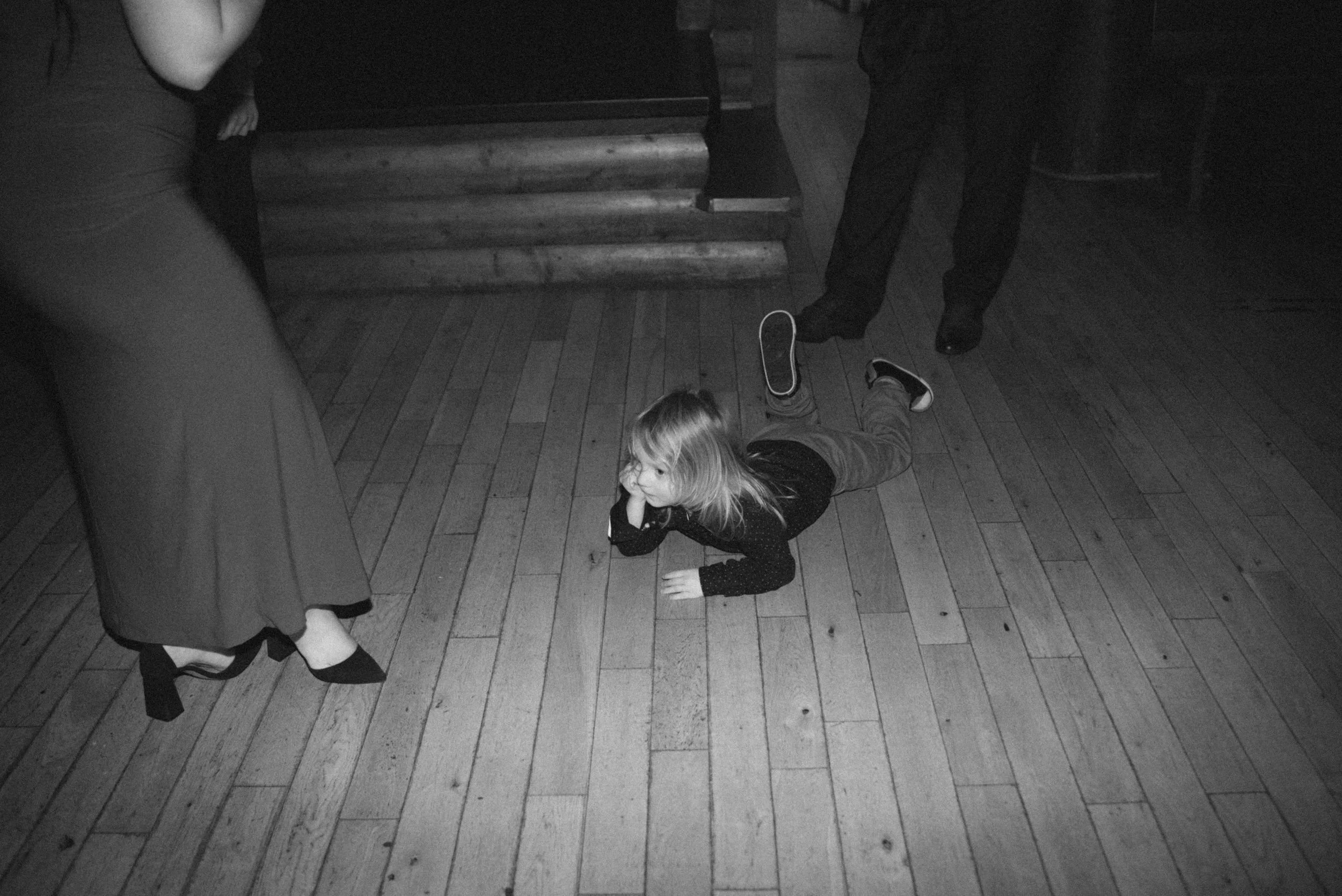
Why B-Roll Matters
One of the best ways to incorporate storytelling in wedding galleries is through B-roll.
Think about it like a movie. Every film has moments that help the story feel real. Shots of the environment, the atmosphere, the objects in the room, the little details that paint a picture of where you are and what the moment feels like.
Wedding days work the exact same way.
Of course you’ll capture the couple, the portraits, and all the people who matter most. But the images that truly make a gallery feel complete are often the complementary ones. The quiet, in-between frames that help set the scene before, during, and after the main moments unfold.
Here are a few examples of wedding day B-roll that instantly adds depth to a gallery:
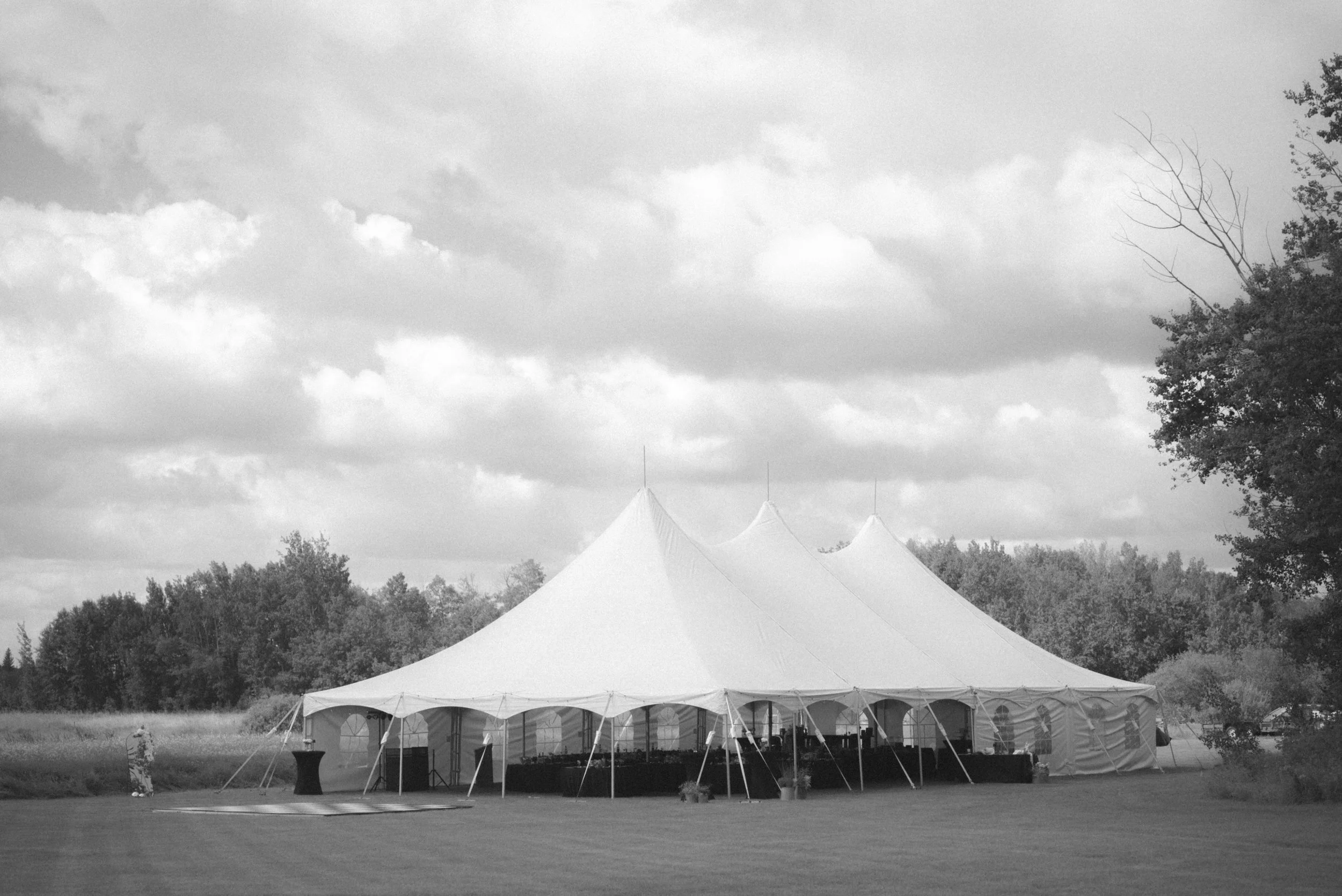
The exterior of the venue
The landscape surrounding the day (trees, mountains, open fields)
Makeup brushes scattered on the counter
A messy bed with dresses and shoes scattered around
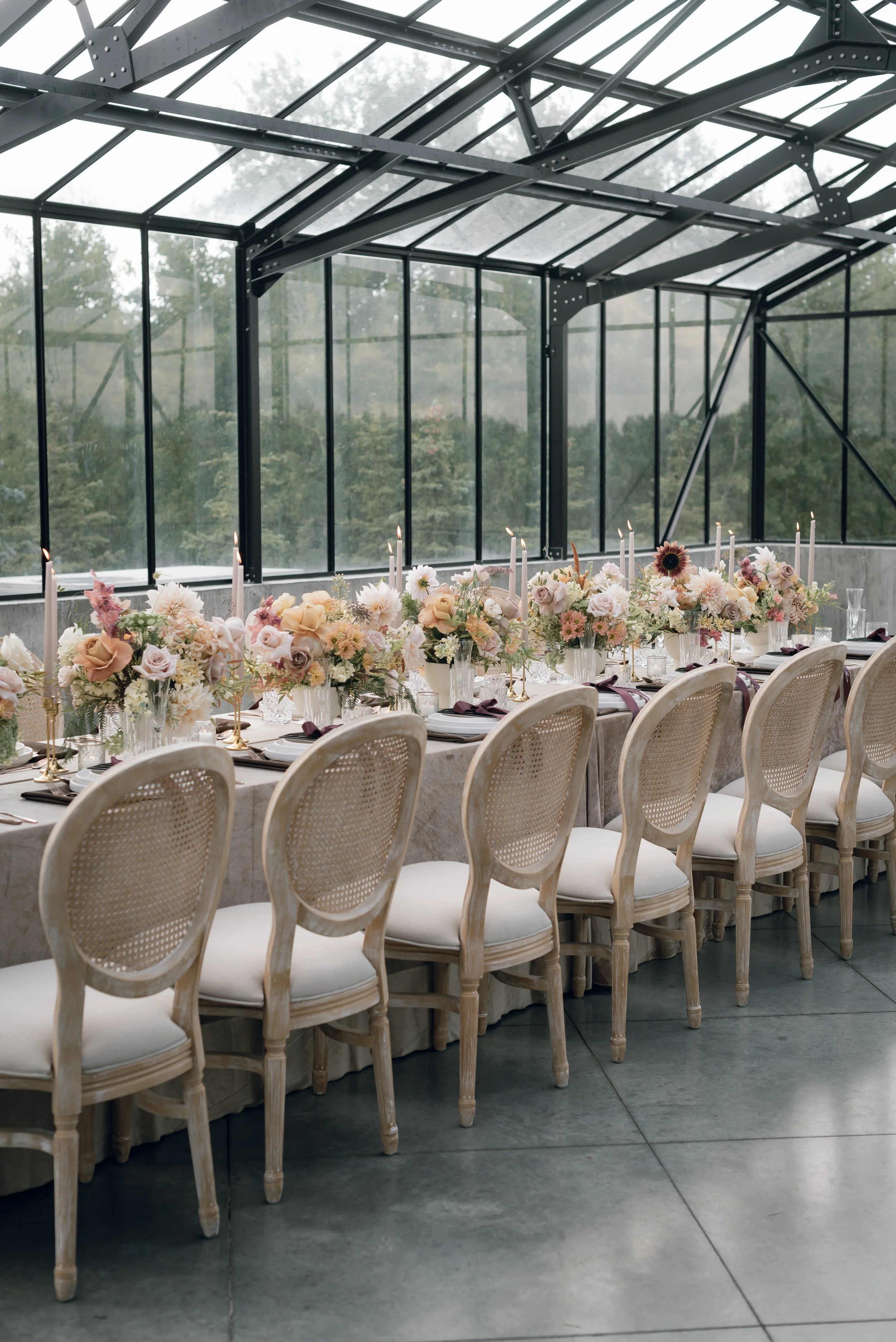
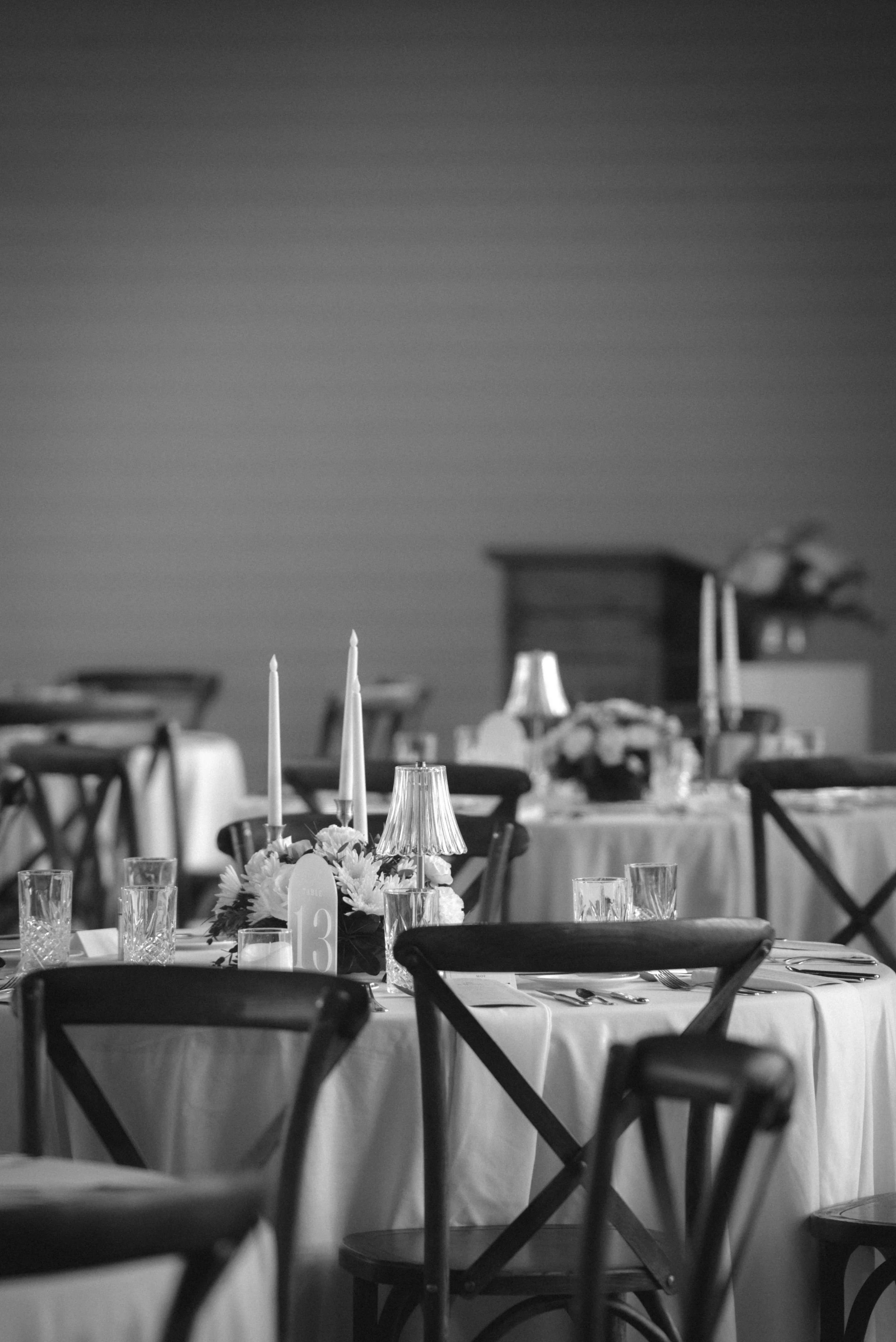
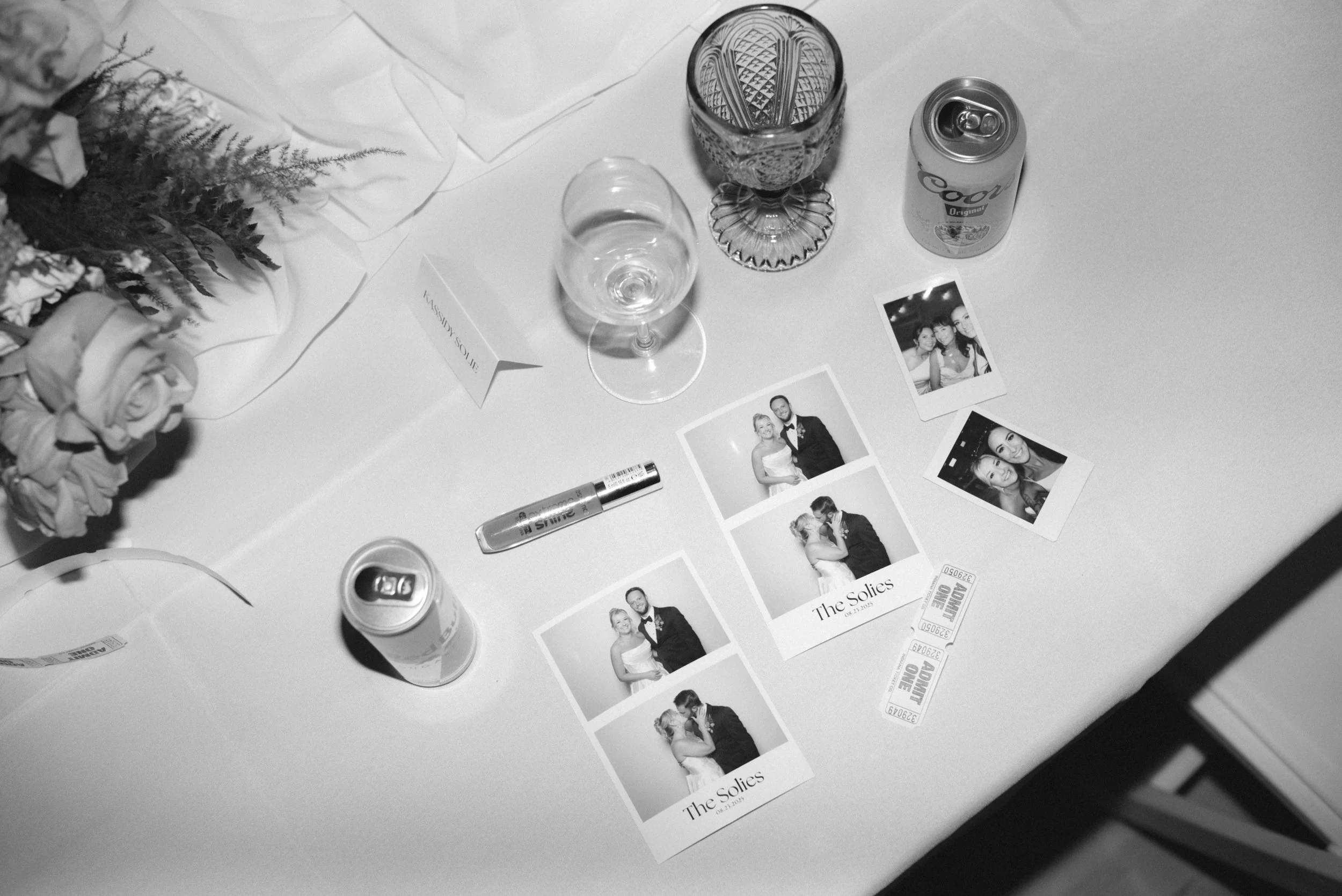
Reception tables mid-party (purses on chairs, shoes kicked off, empty glasses)
Supporting moments happening in the background
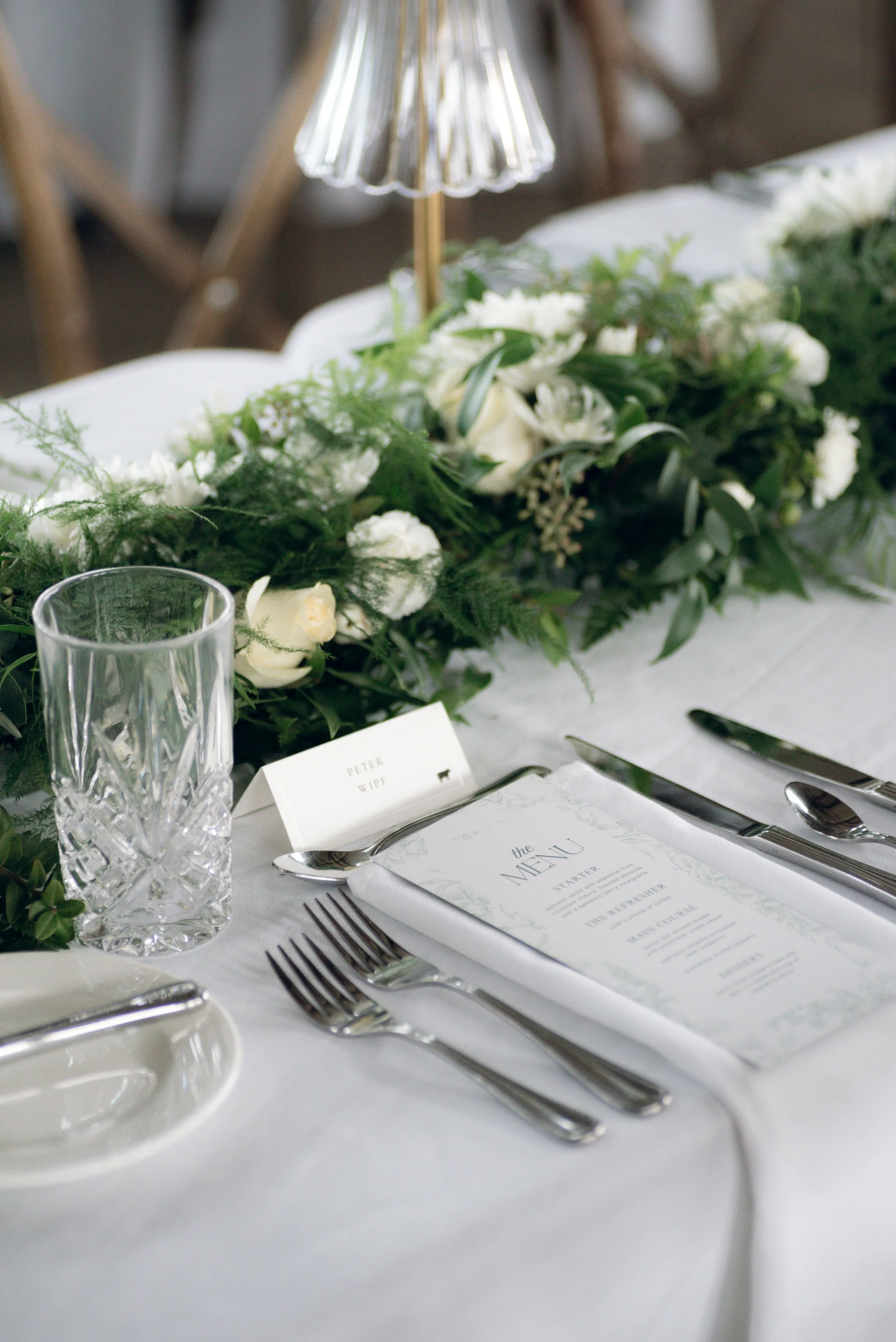
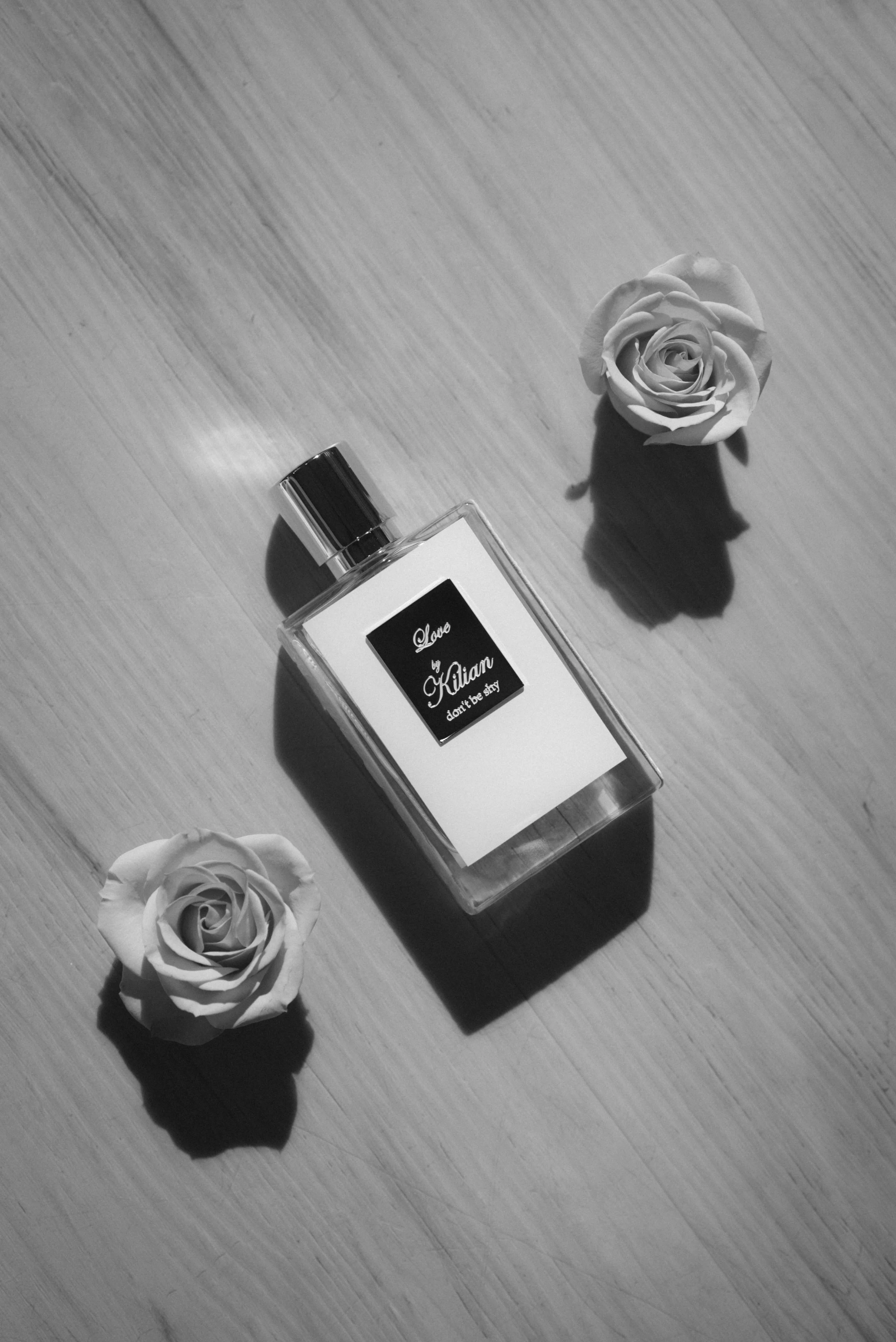
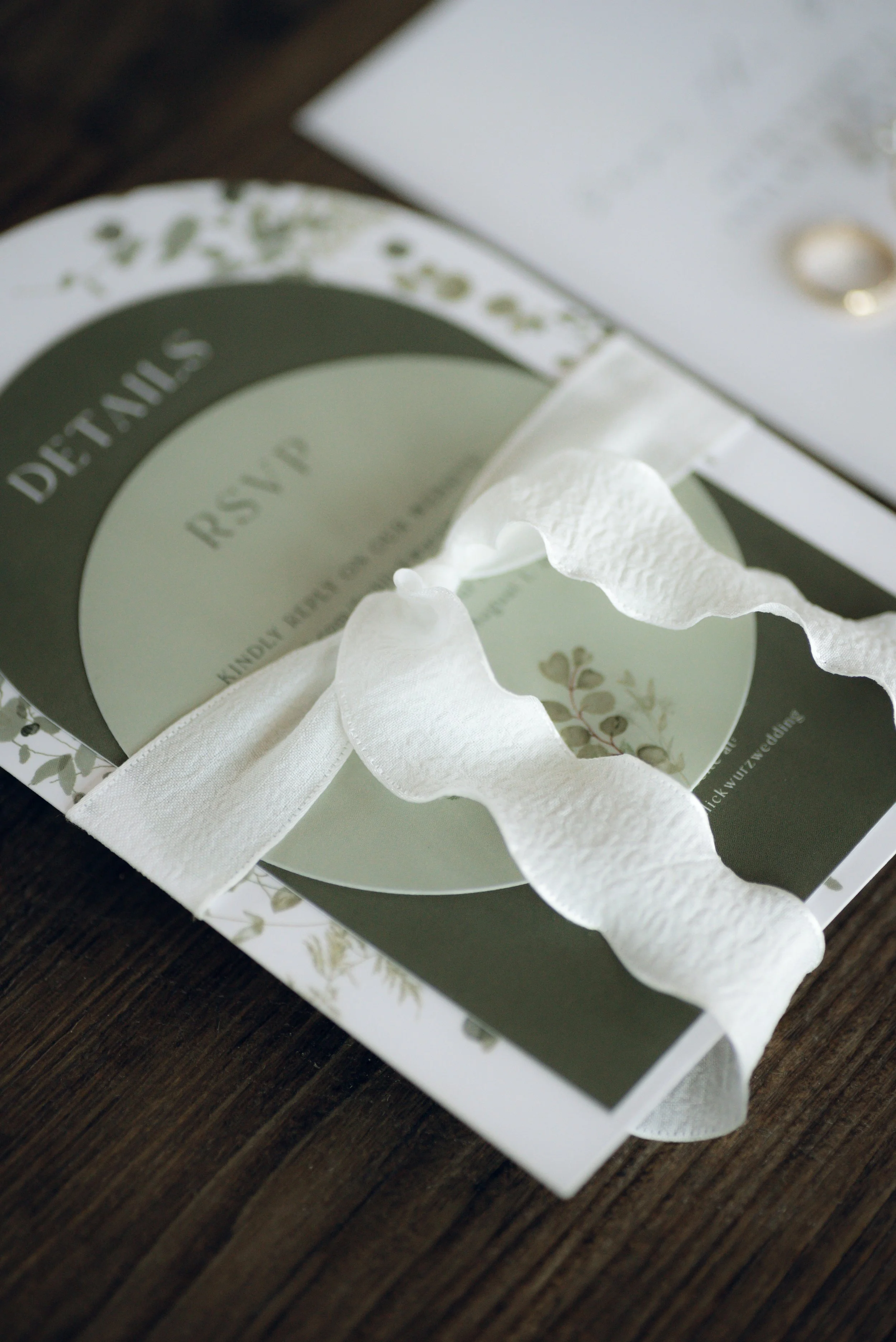
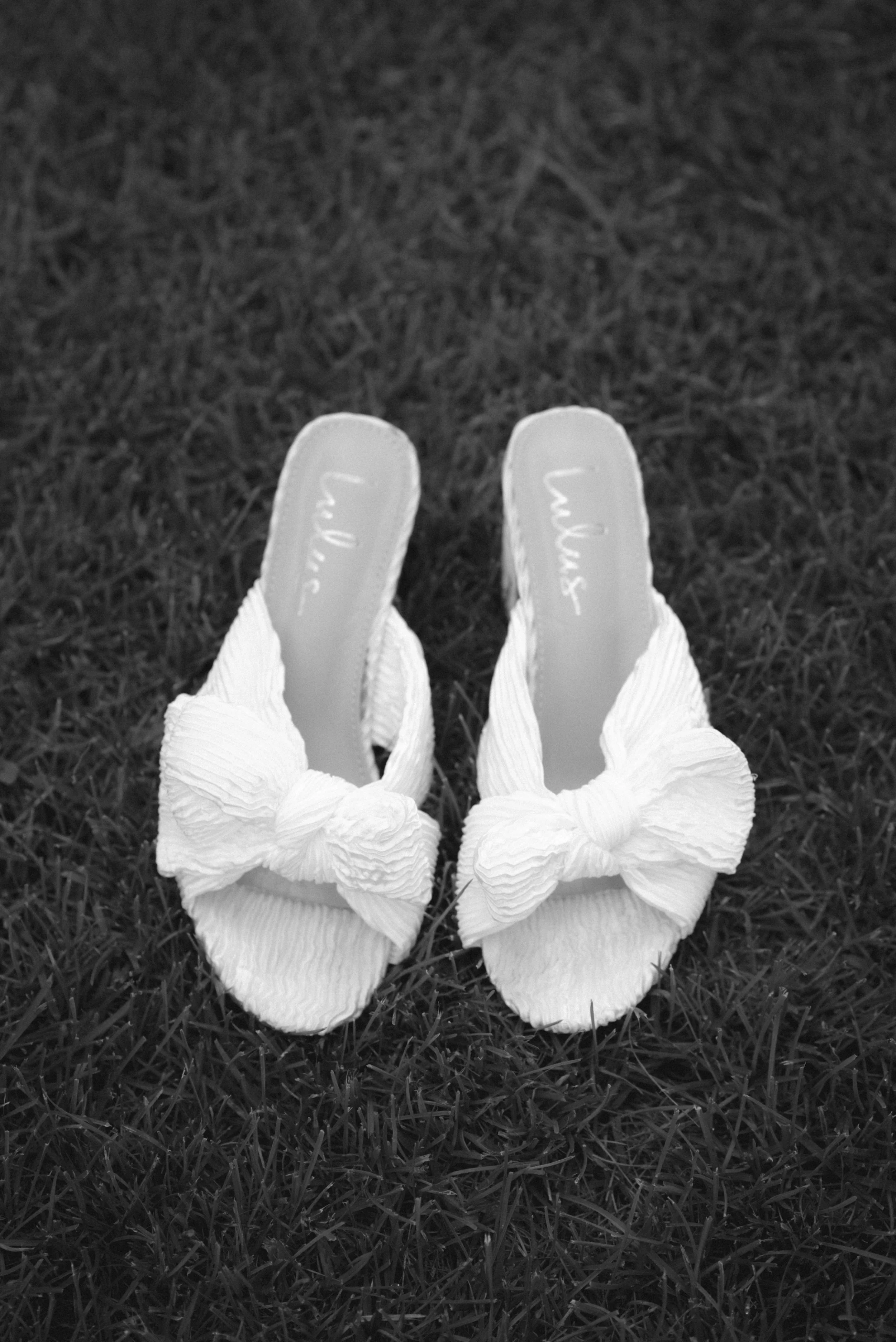
Meaningful details like rings, stationery, florals, candlelight
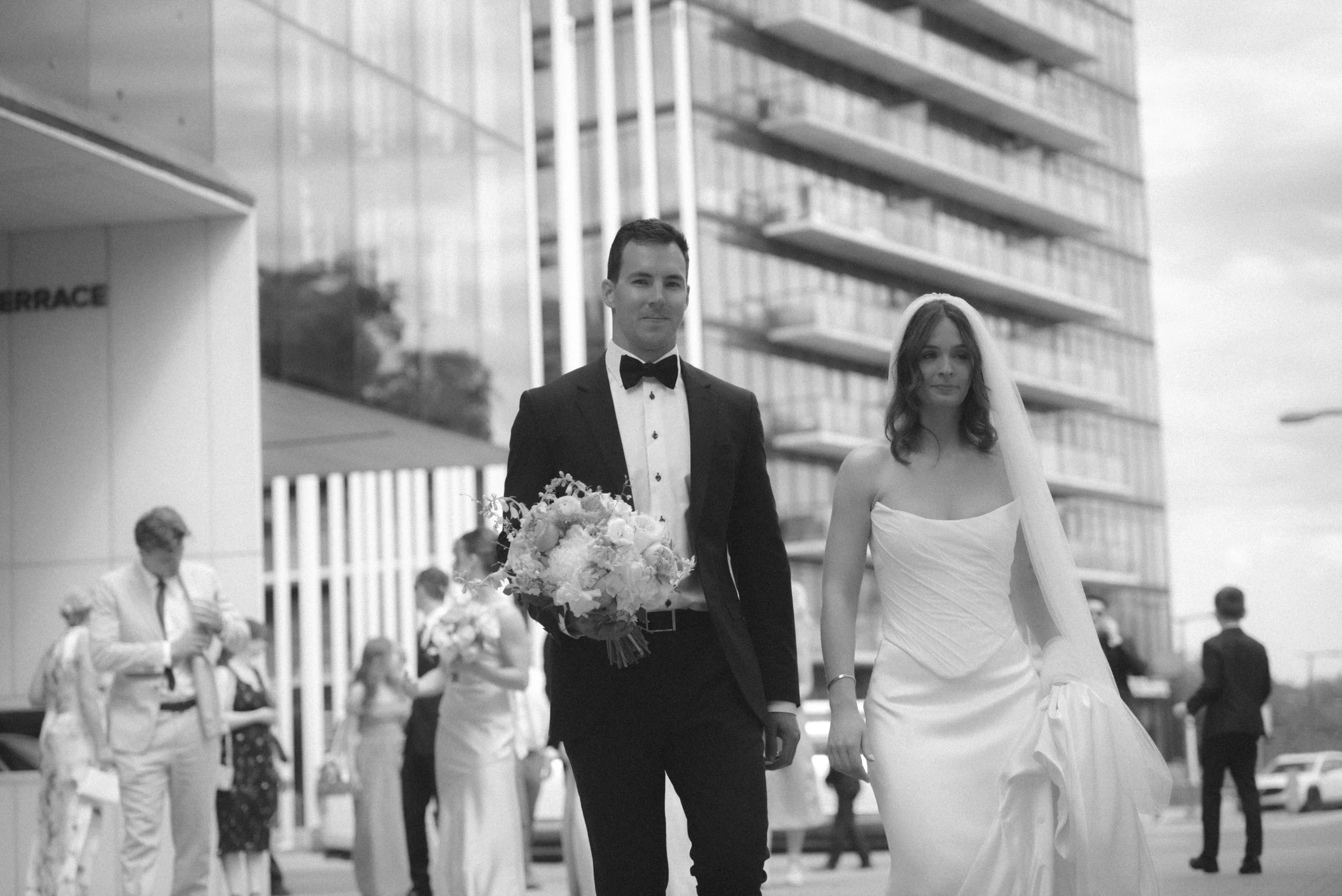
Holding hands / feet while walking
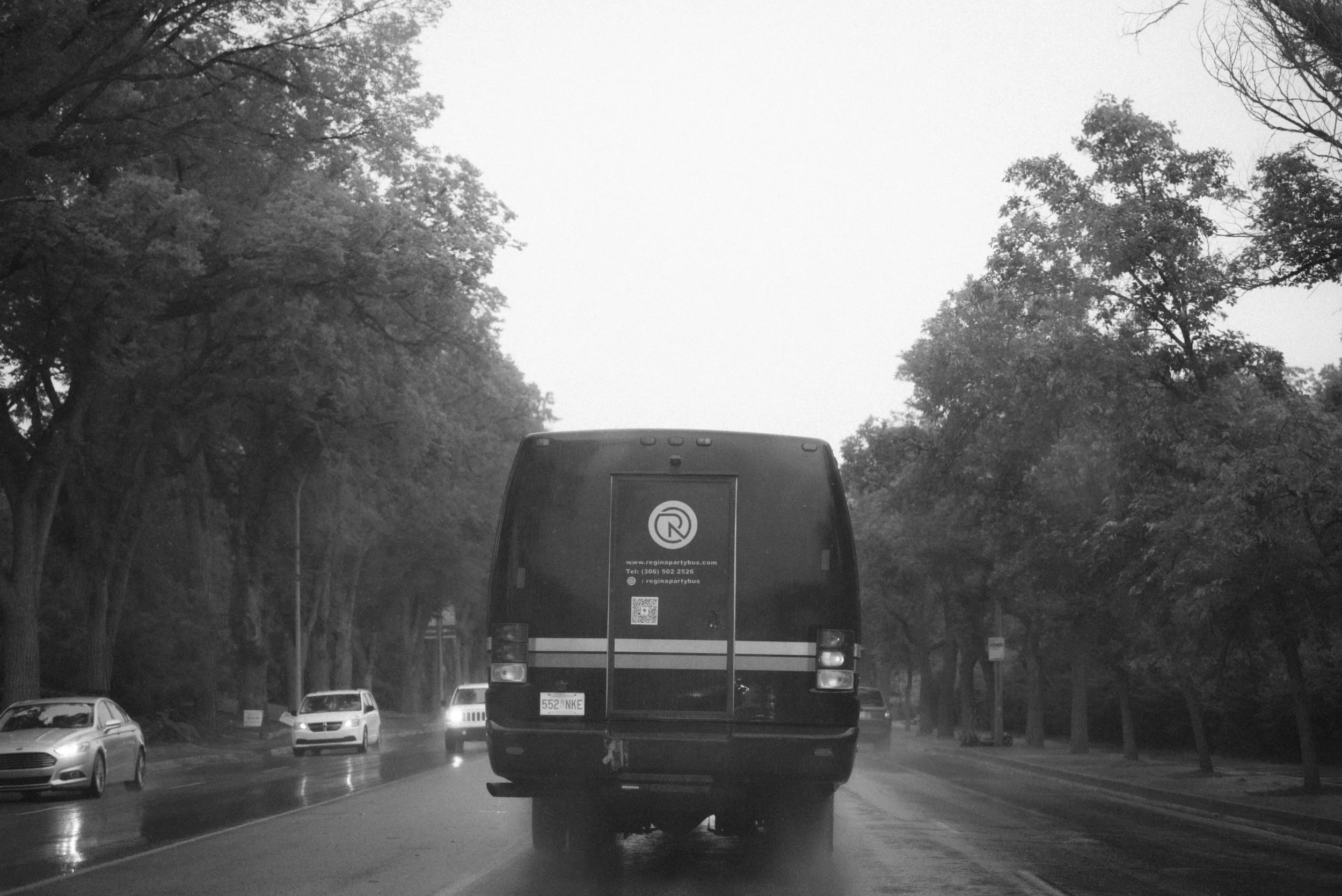
Travel moments between locations, in the car, arriving somewhere new
Transitional moments, the pauses between events
One of the easiest ways to start shooting more story-driven galleries is to train yourself to look for what’s happening around the main moment. B-roll is what turns a wedding gallery into a lived-in story. It helps you set the scene, build emotion, and bring the viewer along for the full experience, not just the highlights.
Establishing Shots: Setting the Scene
One of the most overlooked storytelling tools is the establishing shot.
This is the wide image that says: this is where we are.
It might be:
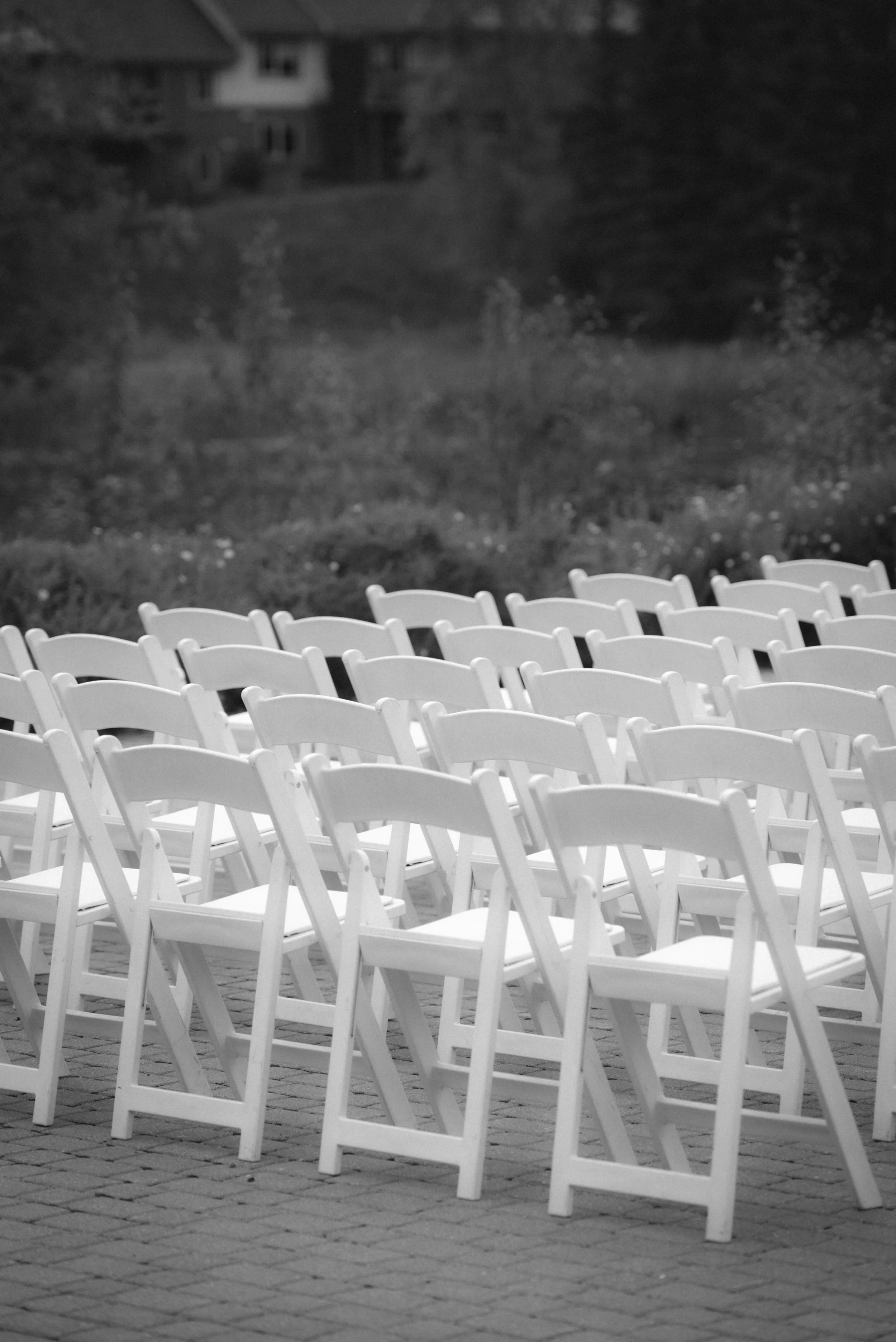
the venue before anyone arrives
the ceremony space fully set
the reception room before it fills up with people
the landscape surrounding the day
These photos matter because they create context.
They place you back in the environment.
Years from now, you won’t just want to remember what your flowers looked like.
You’ll want to remember the space. The feeling. The setting that held it all.
And as a photographer, a simple habit can completely elevate your storytelling: every time you walk into a new space, pause and ask yourself: Have I captured this from every angle?
Get the wide establishing shot. Step in close for the details. Look for the small textures and the details of their day. Even if you’re photographing the same room, adding variety through perspective and lens choice brings so much more depth to the final gallery.
The In-Between Moments
Some of the most meaningful moments of a wedding day are the ones that can’t be scheduled.
For wedding photographers, the big moments are obvious. The first kiss, the vows, the grand entrance. But the in-between moments require something different. Attention. Patience. Observation.
Some of my favourite images I’ve ever captured weren’t planned at all. They happened simply because I stayed present and kept watching.
One of the best pieces of advice I can give is this: don’t put your camera down in between events. The transitions often hold the heart of the day. The seconds after the ceremony ends. The walk from one space to another. The quiet pause before the next thing begins.
These moments unfold naturally, without direction or prompting, and they’re often the ones that feel the most real.
They might look like:
A hug that lingers longer than expected
A friend wiping away tears quietly during the ceremony
Someone laughing so hard during speeches they can’t catch their breath
A hand reaching for another without thinking
These are the moments that make the day yours.
And they’re often the moments couples return to years later, because they weren’t performed.
They were lived.
Details Are Personal
Details matter, not because they’re perfect, but because they were intentionally chosen by the couple.
The invitation suite.
The heirloom items.
The embroidered veil.
The menu cards, the candlelight, the flowers that the guests walked into.
These images help complete the story.
They capture the essence of the day because it’s the little decisions that made it feel like them.
Atmosphere Makes a Gallery Feel Alive
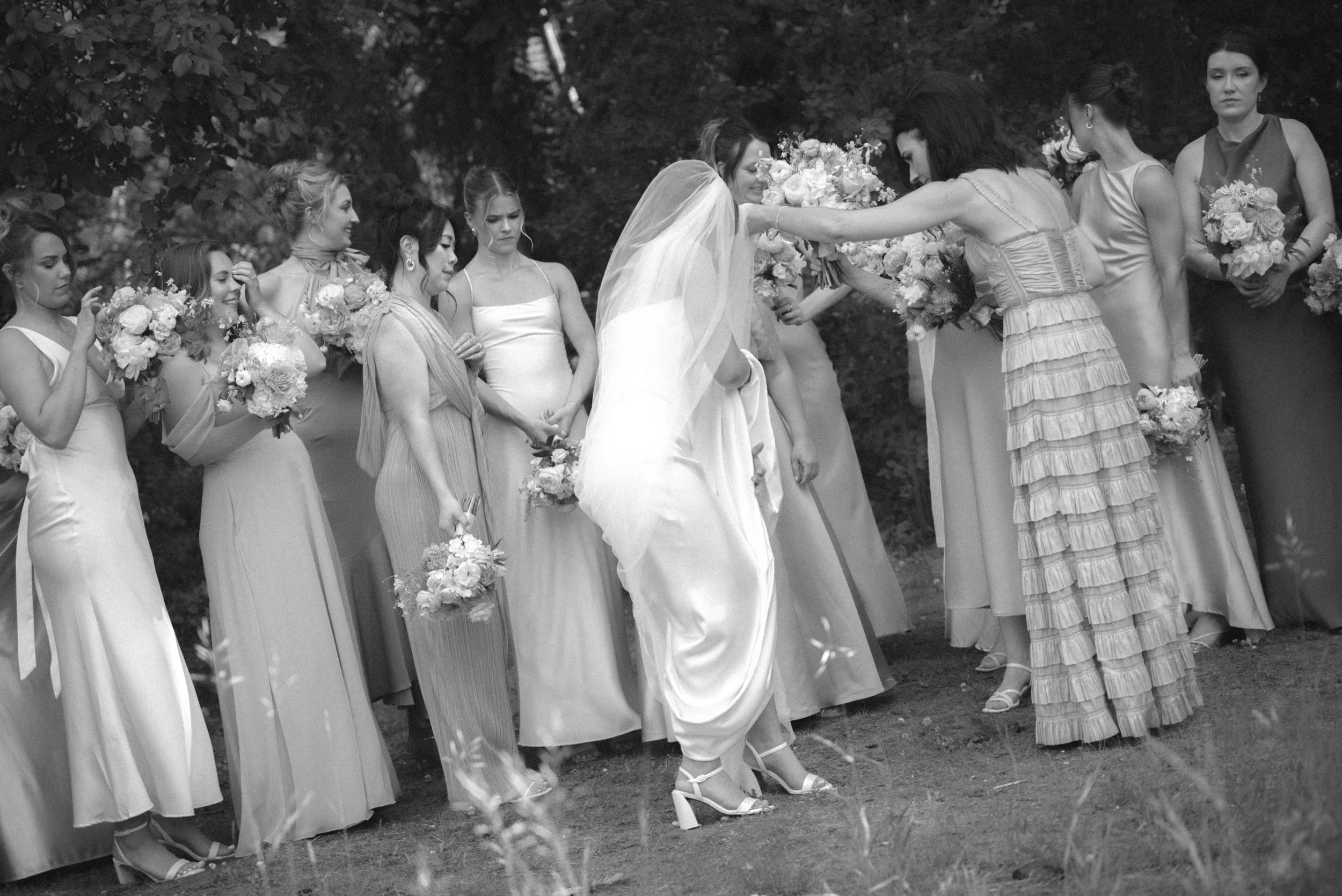
Not every photo needs to be perfectly posed or perfectly still.
Some of the most powerful images are the ones with movement.
A veil caught in the wind.
Guests blurred in the background while you’re in focus.
A wide shot of people lingering at long tables.
The messy joy of the dance floor.
That atmosphere is part of the story.
A wedding gallery should feel like the day moved, not like it froze.
Not every image needs to be perfectly clean and composed.
Some of the best storytelling comes from context.
A wide dance floor shot with people floating in the background.
A frame that feels like you’re standing in the room, not just observing it.
Why Storytelling Matters
Wedding trends come and go.
Pinterest will change.
The “perfect aesthetic” will evolve every year.
But storytelling never goes out of style.
Because what couples want is not just proof that it looked beautiful.
They want proof that it felt beautiful.
That they were surrounded by love.
That it was real.
That it was theirs.
A simple way to think about it is this: if you delivered only your “best” images, would the couple still understand the full day?
Storytelling means photographing transitions, not just peaks.
The walking. The waiting. The arriving.
That’s what turns a gallery into something you can feel.
Final Thought
A wedding gallery becomes a story when it holds more than the highlights.
For photographers, the goal isn’t to take more photos.
It’s to take the right connecting photos.
The ones that make the highlights hit harder.
The ones that turn beauty into memory.
That’s what makes a gallery feel lived-in.
That’s what makes it feel like a story you can return to.
Not just a collection of photos, but a story.
If you’re a wedding photographer who wants to keep growing in your storytelling, gallery delivery, and overall client experience, I’d love to invite you to join my email list. I drop in monthly with education, inspiration, and honest insight from behind the scenes of wedding photography.